History
Mas Redortra: Witness of the Catalan History.

Mas Redortra: Witness of the Catalan History.
Masia Redortra, located in the picturesque Vall del Ges, in Sant Pere de Torelló, represents more than six centuries of history. Built in the 15th century, this farmhouse embodies the rural and architectural spirit of Catalonia, adapting to historical changes and preserving its essence as a symbol of the connection between the territory and its inhabitants.
In the context of Catalan feudalism, the farmhouses emerged as essential productive centers. Mas Redortra was born at this time as a farmhouse, dedicated mainly to agriculture and livestock. The Osona region, with its strategic location between the Pyrenees and the central Catalan plain, allowed these properties to prosper through the exchange of local products such as wheat, wine and wool. During this period, the Vall del Ges became a bastion of rural life, shaped by the relationships between lords and peasants.
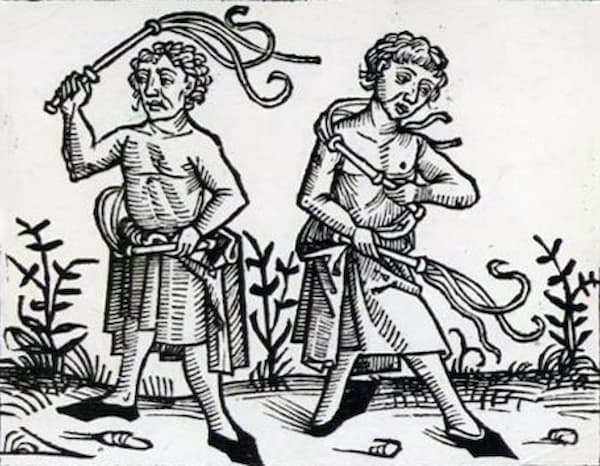
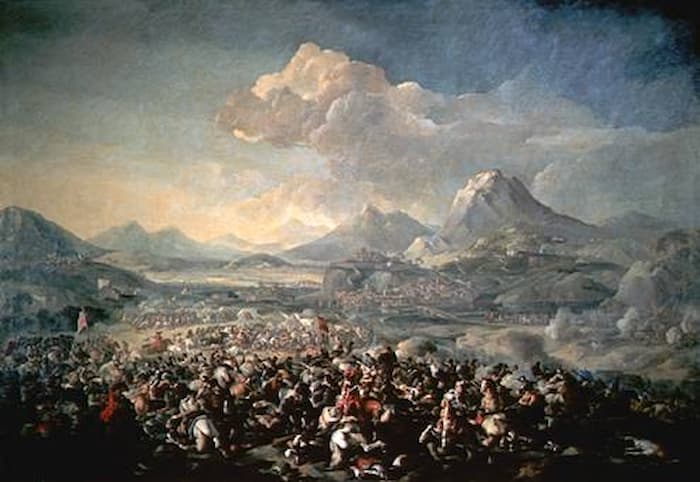
During the Reapers’ War (1640-1652), Catalonia faced one of its greatest political and social crises. Although there are no specific records of events at the Redortra farmhouse, it is likely that, like many farmhouses in the region, it served as a refuge and support center for local communities. La Vall del Ges and Osona were marked by tensions between the peasants, who defended their autonomy, and the Catalan nobility, aligned with the Spanish monarchy. Despite the difficulties, La Redortra continued to play its role as an agricultural center and home to families tied to the land.
The 18th century brought a period of economic transformation in Catalonia, characterized by the growth of commercial and artisan activity. Osona, thanks to its natural resources, became an outstanding center of textile production and construction materials. In this context, Mas Redortra diversified its activity, incorporating a tile kiln that took advantage of local resources to manufacture essential elements in the architecture of the time. The proximity to the Bellmunt Sanctuary, an important place of pilgrimage, added a spiritual component to the environment, making the farmhouse a point of passage for travelers and merchants.
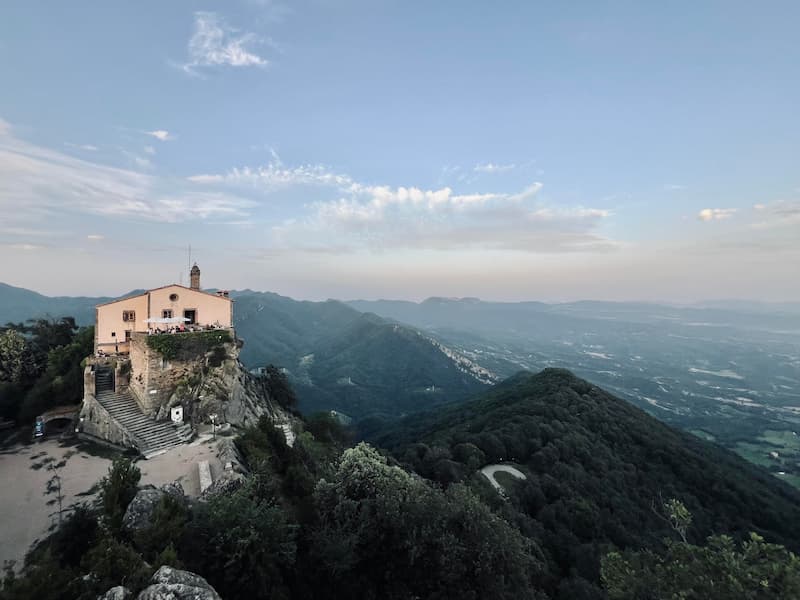
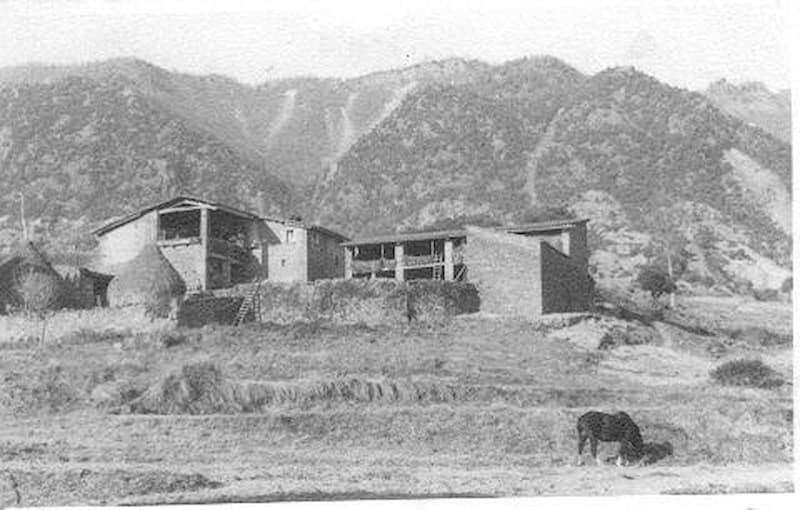
The 19th century brought with it the Carlist conflicts and agricultural transformation. La Redortra was indirectly affected by these events, like many farmhouses struggling to maintain their relevance in times of change. With the industrialization of the 20th century and migration to the cities, many rural houses were left uninhabited. However, the Redortra managed to adapt, being preserved by its owners as a symbol of their historical legacy. During the Spanish Civil War (1936-1939), the farmhouse was a place of refuge for those seeking to escape the flames of the fighting. This event reinforced its role as a space of protection and resistance in times of crisis.
In 2002, the Redortra underwent a careful restoration that combined traditional techniques and modern solutions to preserve its historic character. The stone walls were maintained and repaired, while the original beams were restored or replaced respecting the artisanal methods of the time. This process not only restored structural stability to the farmhouse, but also recovered its essence as part of the rural heritage.
The intervention allowed to maintain the authenticity of the building, adapting it discreetly to the needs of the present. Thanks to this effort, Mas Redortra was reborn as a space that balances history and functionality, ready to continue its legacy in today’s Catalonia.
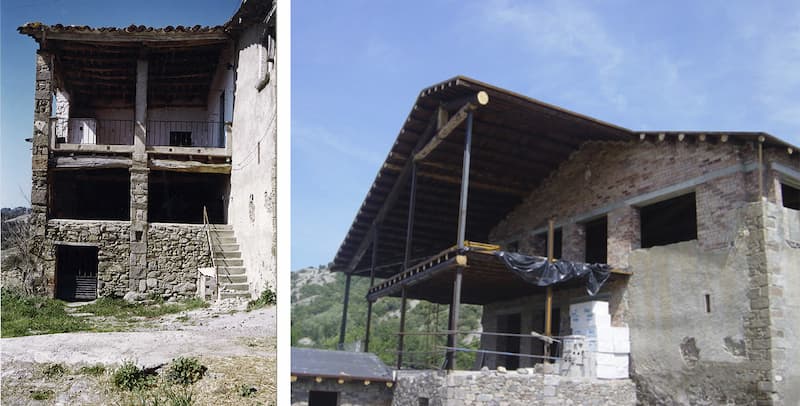
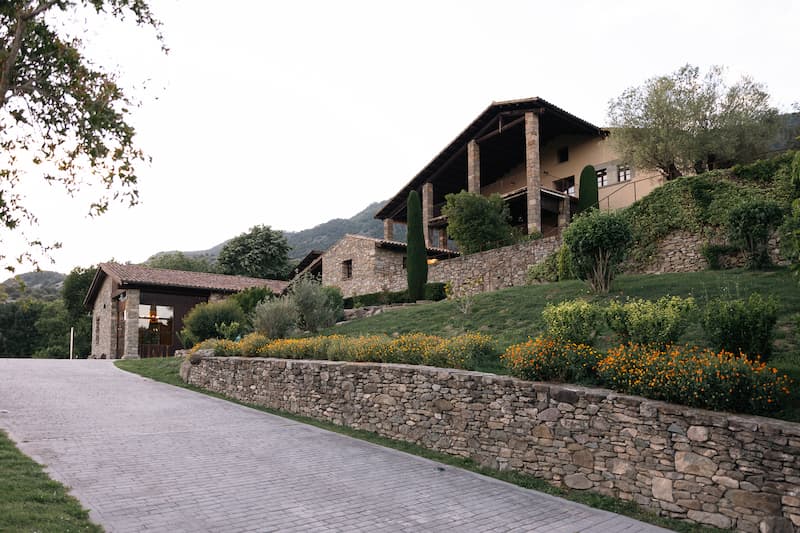
In the 21st century, Mas Redortra has been reborn as a space that combines tradition and modernity. Restored with respect for its history, today it is integrated into an environment of exceptional natural beauty, surrounded by forests, hills and paths that invite reflection and discovery. Its location in the Vall del Ges, part of the Puigsacalm-Bellmunt Natural Area, makes it a destination for those seeking to connect with Catalan culture and nature. Masia La Redortra is not just a building; it is a bridge between the past and the present, a living history that continues to inspire visitors and a testament to the resilient spirit of Catalonia.