A wedding planner is the professional who helps design, organize, and coordinate a wedding so that every decision makes sense and the event runs smoothly. Their job isn’t limited to decorating or being present on the big day: they also manage timelines, budgets, vendors, and details so the couple can enjoy the process with greater clarity and less improvisation.
When the celebration involves multiple venues, traveling guests, or a more comprehensive experience, having a wedding planner becomes even more valuable. In a place like Barcelona and its surroundings, where many couples seek nature, privacy, and accommodation, the wedding planner often becomes the link between the wedding vision and everything needed to bring it to life seamlessly.
What exactly is a wedding planner?
The simplest translation would be “wedding organizer,” but that definition falls short. A wedding planner oversees the entire wedding strategy: listening to what the couple wants, turning that vision into a realistic plan, and coordinating all the parties involved so that the final result truly resembles what they imagined.
Their role can begin from the very start or be incorporated at a specific stage. Some couples delegate the entire organization, while others only need support in the final stretch or for coordinating the big day. The important thing is to understand that they don’t sell a standard wedding, but rather a methodology for making better decisions, avoiding mistakes, and sustaining the event from beginning to end.
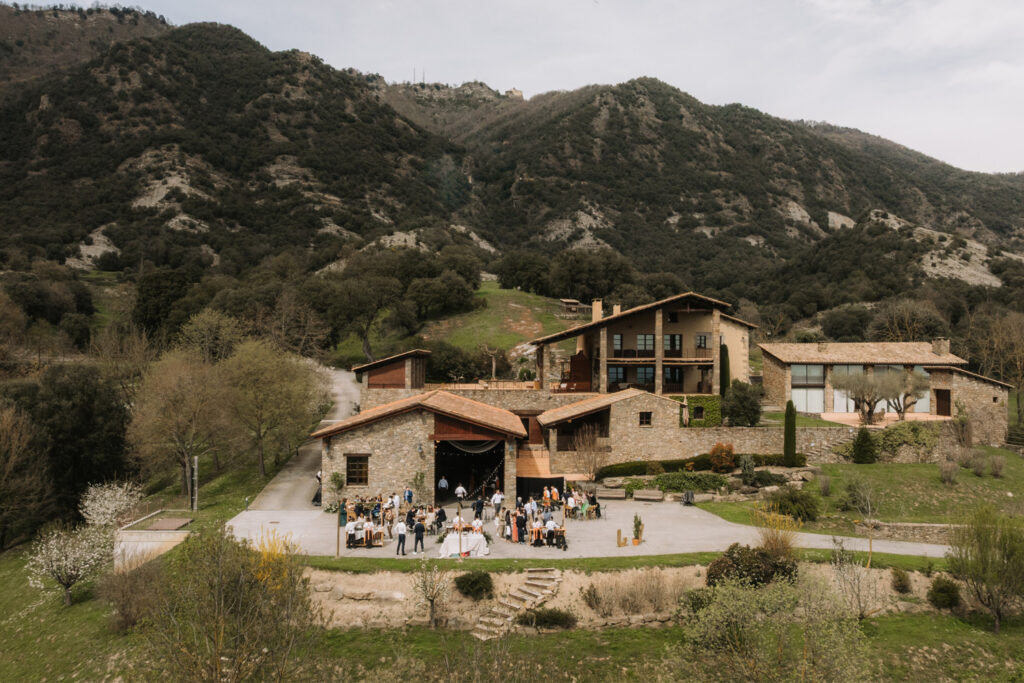
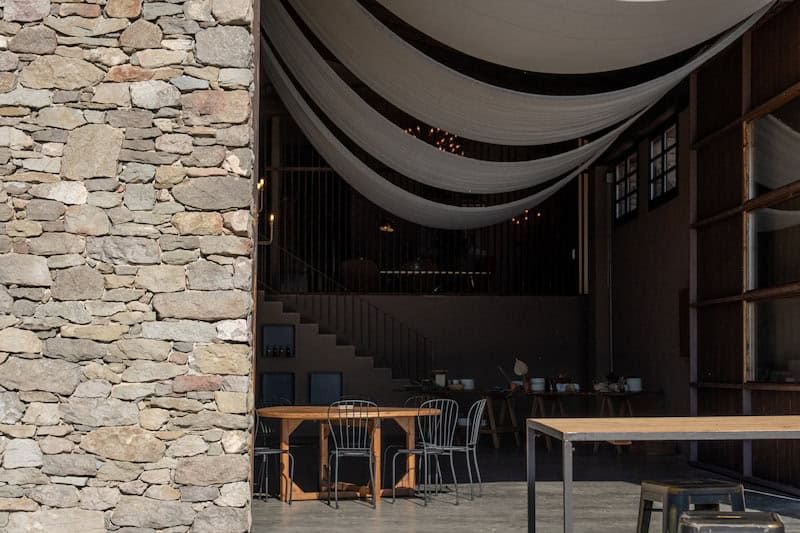
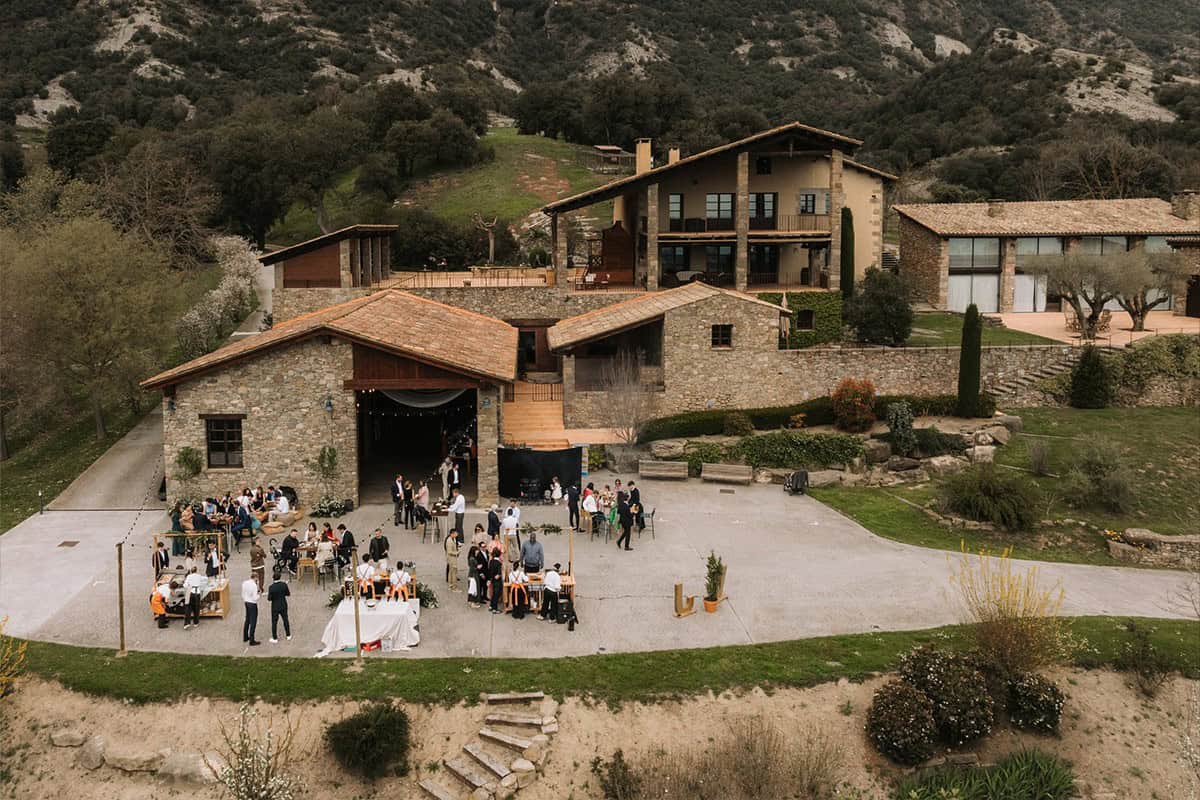
At weddings held on estates or in rural settings, this work is often even more visible. At Mas Redortra, for example, we often see that couples value not only the venue, but also the peace of mind that comes from knowing someone is organizing schedules, access, setup, vendors, and the overall guest experience on a day that has many layers.
What are the functions of a wedding planner?
The responsibilities vary depending on the type of service contracted, but there is a common foundation. The wedding planner is responsible for structuring the wedding project and maintaining control over all elements that may affect the final result.
Among their most common tasks are the following:
- Define the wedding concept with the couple: style, ambiance, priorities, and level of personalization.
- Create and adjust the budget to allocate the investment effectively and avoid unnecessary expenses.
- Find and select vendors that align with the style, needs, and budget.
- Plan the schedule for decisions, meetings, payments, tastings, and deliveries.
- Coordinate the logistics of setup, ceremony, reception, timings, and transportation.
- Oversee the décor to ensure each element fits the overall vision. Resolve unforeseen issues without adding stress to the couple or guests. Manage
- The wedding day so that everything runs smoothly and naturally.
The key is that these functions don’t work in isolation. A good professional understands that budget, aesthetics, experience, and itinerary are all connected. If one element changes, the rest must also be reviewed so that the wedding still makes sense.
With our clients, one of the most noticeable differences is precisely that holistic vision. It’s not just about booking a date or securing a supplier, but about creating a celebration where accommodation, ceremony, reception, and relaxation are all part of the same experience.
What does a wedding planner do before the wedding?
Most of the work happens before the big day. During this phase, the wedding planner becomes a combination of advisor, manager, and project director. Their role is to establish order from the beginning so that the couple doesn’t make important decisions hastily or without context.
It usually begins with a meeting to identify real priorities: number of guests, type of wedding, available budget, aesthetic preferences, family needs, accommodation plans, and expectations for the experience. From there, a roadmap is developed and viable options are proposed.
It also filters suppliers, compares proposals, and helps you carefully read what you’re booking. This saves a lot of time and reduces common mistakes, such as hiring services that don’t work together or reserving a beautiful but impractical venue for the type of wedding you envisioned.
In our case, when a couple wants to get married on a charming estate and spend more than a day with their guests, that initial research is crucial. A venue like a traditional Catalan farmhouse masia with accommodation isn’t chosen solely for its aesthetics: capacity, privacy, logistics, and the desired experience before and after the celebration also play a role.
Subscribe to our newsletter
What does a wedding planner do on the wedding day?
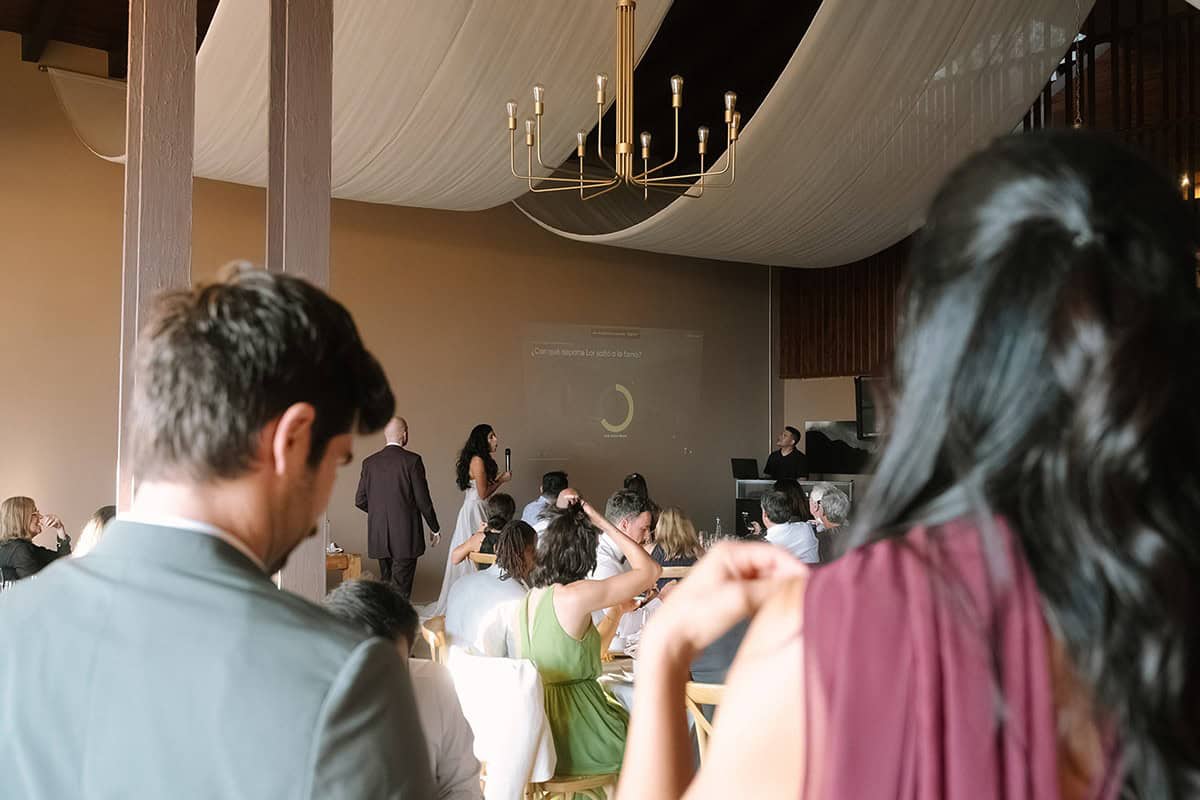
On their wedding day, their main function is one: to coordinate everything so the couple doesn’t have to. It seems simple, but that’s where the difference between celebrating with professional support and depending on family, friends, and suppliers without clear direction becomes apparent.
Before the guests arrive, double-check that everything is set up correctly, confirm schedules, resolve any last-minute changes, and make sure each vendor knows what to do and when to do it. During the ceremony and reception, oversee entrances, music, cooking times, transportation, surprises, and key moments.
Furthermore, she handles the silent unexpecteds: delays, weather changes, technical issues, guest questions, or small decisions that should never reach the couple. Her ideal job is almost invisible, because when it’s done well, everything seems easy.
This is especially important for weddings held in the heart of nature. At Mas Redortra, we often see that coordination becomes even more crucial when the experience includes outdoor spaces, different areas of the estate, guest accommodations, and various opportunities for socializing throughout the weekend.
What a wedding planner doesn’t do and why it’s important to know
It’s also helpful to clarify what a wedding planner is not. They don’t replace the couple’s decision, they don’t impose a specific aesthetic, and they shouldn’t limit themselves to simply “making calls.” Their job isn’t to dictate the wedding, but to translate a vision into a well-organized execution.
Not all of them offer exactly the same services. Some focus on day-of coordination, others on comprehensive organization, and still others add design, protocol, or decorative production. That’s why it’s important to carefully review the scope of the service, what it includes, what it doesn’t include, and how communication will be handled throughout the process.
Understanding this prevents unrealistic expectations. Many disappointments come from thinking that all wedding planners cover everything from floral design to guest accommodations and weekend activities, when in reality it depends on the service contracted and the type of wedding.
When is it worth hiring a wedding planner?
You don’t need to be organizing a huge wedding to need help. A wedding planner can add a lot of value to medium-sized or intimate weddings when time is short, the couple lives abroad, the event is held in a different destination, or they want to create a more personalized experience.
It is usually especially recommended in these cases:
- Weddings with guests traveling from afar or staying at the venue itself.
- Celebrations in non-urban settings where logistics require careful planning.
- Couples with busy schedules who can’t dedicate hours to every decision.
- Highly personalized weddings with multiple vendors and a clear aesthetic vision.
- Multi-day events including pre-wedding, wedding, and post-wedding celebrations.
On a private estate, coordination can make all the difference between a nice event and a truly memorable experience. That’s why many couples looking for a rural farmhouse in Catalonia value not only the location itself, but also how everything is organized around it: arrival, relaxation, celebration, shared time, and a sense of exclusivity.
How to choose the right wedding planner
The best choice isn’t always the most well-known, but rather the one that truly understands the kind of wedding you want to create. The first step is to check if their working style aligns with your decision-making process, your budget, and the experience you envision.
Beyond social media appearances, it’s important to consider real-world experience, coordination skills, clear contracts, and effective communication. A competent professional clearly explains their services, prioritizes tasks, and inspires confidence even before you sign a contract.
These questions are very helpful in the first conversation:
- What type of service do you offer? Coordination, full-service organization, or both?
- How do you manage suppliers? Do you propose, negotiate, supervise, and coordinate?
- How do you handle the budget? With control, monitoring, and forecasting of deviations.
- Who will be present on the wedding day? Herself, her team, or external collaborators?
- Do you have experience with similar venues? Estates, country houses, destination weddings, or weekend weddings?
A good choice is noticeable because it reduces noise from the start. The couple feels they have clear guidance, not added pressure. And that, at a wedding, is invaluable.
Ultimately, a wedding planner doesn’t just organize tasks; they safeguard the entire experience. When the venue is perfect, the surroundings invite you to linger, and the celebration unfolds at a relaxed pace, everything gains depth. That’s one of the reasons why at Mas Redortra we place such high value on weddings planned with time, thoughtful consideration, and meticulous coordination that lives up to the venue’s standards. The difference lies not only in everything going smoothly, but in truly experiencing it.
Celebrate your wedding anniversary
You might be interested in…