Choosing a wedding date is one of the first major decisions a couple faces when they begin planning their celebration. At first glance, it might seem simple: open the calendar, pick a day that appeals to both of you, and start the preparations. However, when the time comes to decide, many more issues arise than you had likely imagined.
The time of year, the weather, space availability, holidays, guests traveling from afar, the budget, or even the time available to organize everything can ultimately influence the decision.
That is why, before settling on a specific date, it can be far more useful to consider how you want to experience your wedding. Picturing an outdoor ceremony followed by a long, leisurely meal in the garden is very different from envisioning an intimate winter celebration. Likewise, organizing a wedding that lasts just a few hours is not the same as bringing family and friends together for an entire weekend.
There is no perfect date to get married. There is one that fits better with your way of celebrating, your priorities, and the time you want to share with the people who will be accompanying you.
Before choosing the date
Before looking at the calendar, think about the wedding you envision. Do you want to hold the ceremony outdoors? Would you like to make the most of the gardens for a good part of the day? Do you prefer a daytime wedding or a celebration that starts in the afternoon and lasts into the early hours? Do you want to gather your guests for a few hours or share the entire weekend with them?
These questions help establish priorities and allow you to rule out certain dates before you even start looking for them.
It is also worth distinguishing between what is essential to you and what you can be flexible about. You might have a clear idea of where you want to get married but be open to holding the wedding a week earlier or later. Or perhaps there is a date that is particularly significant to you, and you are willing to adjust other aspects of the celebration..
The clearer these priorities are, the easier it will be to choose the wedding date without turning the decision into a complicated exercise of aligning schedules.
How much time do you need?
The date will also depend on the time you need to organize the wedding. Some couples enjoy personally preparing every detail, while others prefer to simplify the process. Neither option is better than the other, but the time and dedication required differ.
If you wish to personally find and coordinate the venue, catering, photography, music, décor, and other vendors, it is advisable to allow yourself enough time to make decisions without the planning process turning into a series of urgent crises.
You can also choose to delegate part of the process to a specialist. A wedding planner can help find vendors, coordinate various aspects of the celebration, and guide you through the planning process, significantly reducing the organizational workload.
If you are still unsure about what their role entails, our article What is a Wedding Planner and what do they do? explains the nature of this role and when it can be particularly useful.
Therefore, before deciding when to get married, also consider how much time you want and are able to dedicate to planning your wedding.
Choose the time of year
A good way to start is not to look for a specific date right away, but rather to first decide what time of year you would like to hold the wedding.
Each season completely transforms the experience. Temperatures, daylight hours, the landscape, and the way indoor and outdoor spaces are used all change.
There is no single best season. What matters is understanding what each one offers and what limitations it might have.
Getting married in spring
Spring is one of the most appealing times of year for those who envision a wedding surrounded by nature.
The days are starting to get longer, the temperatures tend to be pleasant and gardens and landscapes regain their prominence. This allows for the planning of ceremonies, receptions, and other special moments outdoor celebration without the highest summer temperatures.
The main challenge is that the weather can be unpredictable. The possibility of rain makes it essential to always have a covered alternative available, ensuring the celebration can continue without a change in the weather becoming a problem.
In addition, some spring months concentrate a high demand, allowing venues and suppliers to fill their schedules well in advance.
Getting married in summer
Summer offers many hours of daylighty allows enjoy the outdoor spaces until well into the afternoon.
Weddings can extend into the open air, sunsets arrive later, and the atmosphere encourages celebrations that embrace the surrounding landscape. For many couples, moreover, this coincides with a time when it is easier to take a few days off.
However, high temperatures must also be taken into account when planning. A ceremony in full sun during the hottest hours of the day can be uncomfortable and forces carefully consider the schedules and shaded areas and the spaces where each moment will take place.
Las vacaciones también pueden jugar a favor o en contra. Algunos invitados tendrán mayor disponibilidad, mientras que otros pueden tener viajes organizados con mucha antelación.
Choose your wedding date and start imagining an unforgettable celebration at a dream country estate.
Getting married in autumn
Autumn offers a particularly interesting combination of milder temperatures, warm light, and a changing landscape progressively as the season advances.
After the hottest months, outdoor celebrations can be much more pleasant, and the temperatures allow for enjoying the surroundings in greater comfort.
In return, the days begin to shorten, and as the season progresses, the importance of having indoor spaces or alternatives for certain parts of the celebration increases.
September occupies a particularly interesting position because it retains many characteristics of late summer while typically offering more moderate temperatures. If you are considering this time of year, you can find more information in our article. Weddings in September: Why choose this month to get married?
Getting married in winter
Winter allows for a completely different kind of wedding.
Celebrations tend to take place indoors and can take on a more intimate feel and welcoming character.
In addition, certain venues and suppliers may offer greater flexibility than during peak demand months.
On the other hand, one must take into account the temperatures, the limited hours of daylight, and a greater reliance on indoor spaces.
This doesn’t mean completely giving up on an outdoor setting, but rather approaching the wedding from a different perspective. A winter landscape, a midday ceremony, or a celebration centered around cozy, warm spaces can possess just as much character as a summer wedding.
Think about your guests
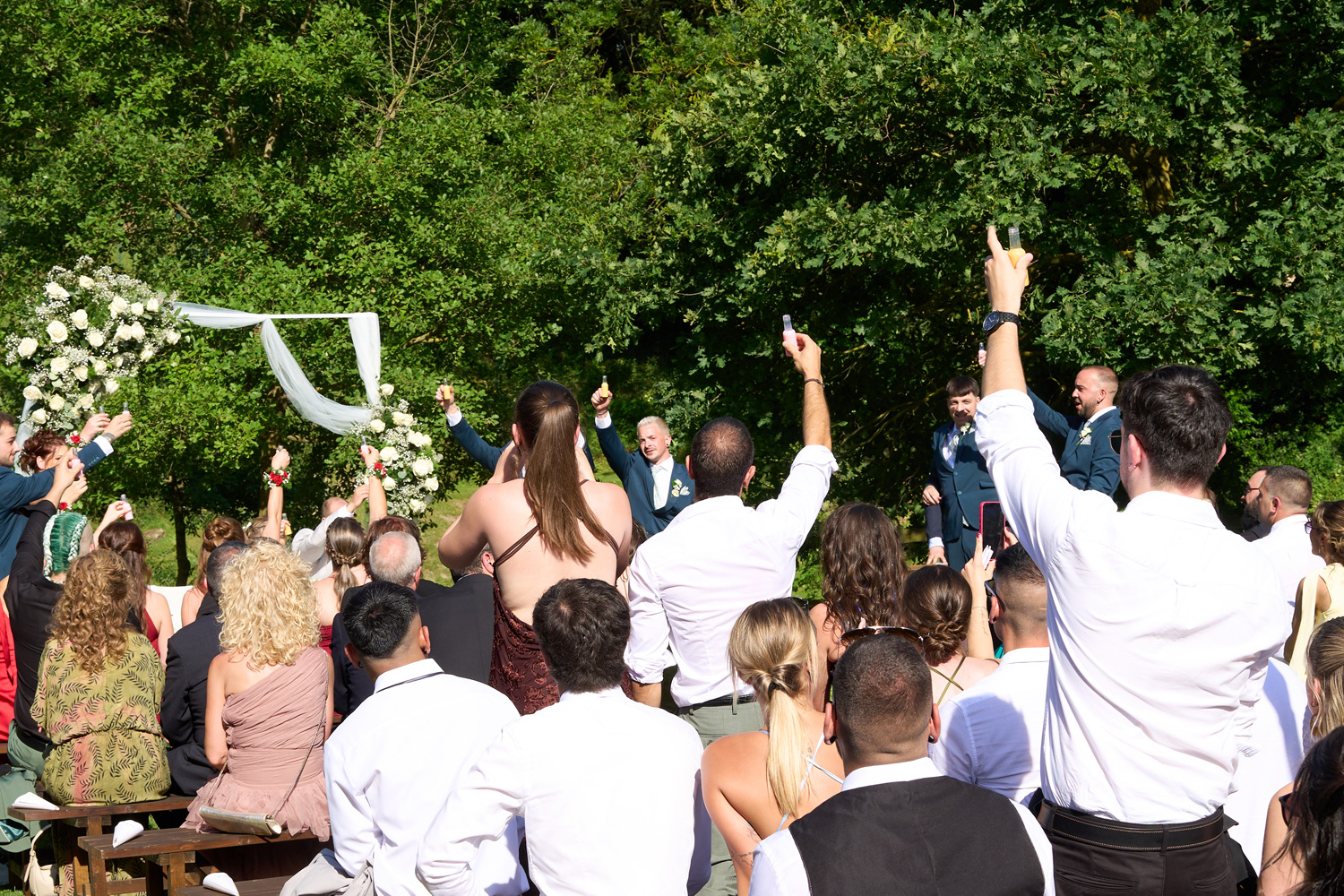
The date is yours to choose, but certain people are essential. Before confirming it, it may be advisable to check the availability of family members and friends whose presence is particularly important. The goal is not to find a day that works for every single guest—which can be practically impossible—but rather to avoid obvious conflicts with those closest to you.
It’s also worth considering if many guests will have to travel from other cities or countries. In such cases, public holidays, long weekends, or specific vacation periods can make traveling easier, although they can also drive up the cost of transport and accommodation.
The key is to find a balance between your preferences and the needs of those you truly want to accompany you.
Check space availability
Sometimes, a couple chooses a specific date before looking for a wedding venue, only to discover later that the venues they like best are already booked.
If you have found a venue where you can truly picture yourselves celebrating your wedding, it might make more sense to be somewhat flexible with the date.
Instead of asking about just one specific Saturday, you can check several dates within your chosen time of year. Slightly broadening your options can make a big difference, especially during peak months.
In the end, you will likely remember the venue, the atmosphere, and everything that happened during the celebration far more than the exact date on the calendar.
Saturday, Friday, or Sunday?
Saturday remains the most common day for holding a wedding. It is convenient for many guests because they do not work the following day, allowing the celebration to continue without worrying too much about the time.
But that is not the only possibility. A Friday wedding can mark the start of a shared weekend, whereas Sunday can work particularly well for daytime celebrations, long lunches, and a more relaxed atmosphere.
The choice changes even more when the wedding is no longer viewed as a celebration lasting a few hours, but instead spans the entire weekend.
Arriving the day before, dining together, celebrating the wedding, staying at the same venue, and reconvening for breakfast the next morning allows for the sharing of moments that rarely occur at a conventional wedding.
In this type of celebration, the accommodation becomes part of the organization. Deciding who is in charge, where to accommodate guests, or which rooms to book are matters best settled in advance. En Wedding guest accommodation: who pays for it and where to put them? We explain the different possibilities.
Keep the budget in mind.
The date can also influence the budget.
Demand varies throughout the year and across the days of the week. Some venues and providers may set different conditions depending on the season or offer greater flexibility for less popular dates.
If budget is a key factor in your decision, expanding your options can help you find a combination that better suits what you are looking for.
This doesn’t mean choosing a date solely because it’s cheaper, but understanding that the calendar can also become a tool to prioritize what truly matters to you.
You might prefer to change the month so you can hold the wedding at your desired venue, work with a specific photographer, or allocate a larger portion of the budget to what matters most to you.
Consider the schedule as well
Choosing a wedding date also involves considering daylight hours and how the temperature will change throughout the day.
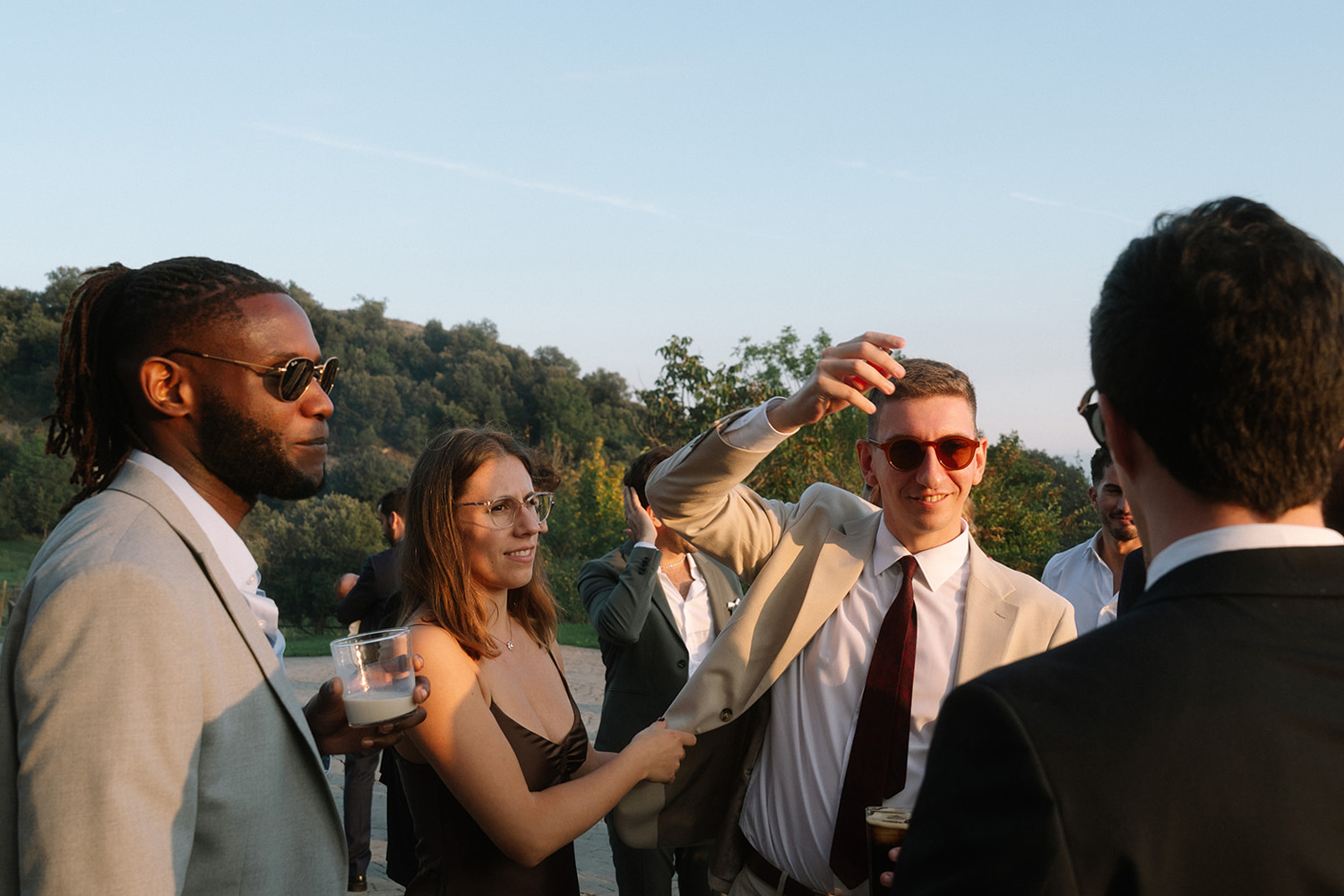
A wedding at five in the afternoon can play out very differently in June than in November.
The time of the ceremony will influence the lighting, the cocktail hour, the photography, the dinner, and how the outdoor spaces are utilized. It will also determine whether guests spend the hottest part of the day in the sun or are able to enjoy the sunset during one of the celebration’s key moments.
That is why the date and the schedule should be considered together. It is not just a matter of asking yourselves which day you want to get married, but of visualizing how the day will unfold—from the moment the first guests arrive until the celebration ends.
Choose several dates
One of the best ways to simplify the entire process is not start with a single, immovable date.
You can choose a time of year, decide which day of the week you prefer, and select two or three weekends that work particularly well for you.
From that point on, it will be much easier to check the availability of the venue and key suppliers before making a final decision.
Having several alternatives doesn’t mean giving up the wedding you envision. On the contrary, it gives you the flexibility to find the best combination of venue, vendors, guests, and budget.
Once the truly important elements are confirmed, that date—which was initially just a possibility—will quickly begin to become your date.
The best date is yours
There is no perfect month to get married, nor a single day of the week that works for every couple.
For some, holding the ceremony outdoors will be essential. Others will prioritize ensuring that family members living far away can attend.
Some will know exactly which venue they want from the start and will adjust their schedule to fit its availability. Others will prefer to turn the wedding into a full weekend surrounded by their loved ones.
Choosing a wedding date is precisely about sorting out all these priorities and discovering which ones are truly important to you.
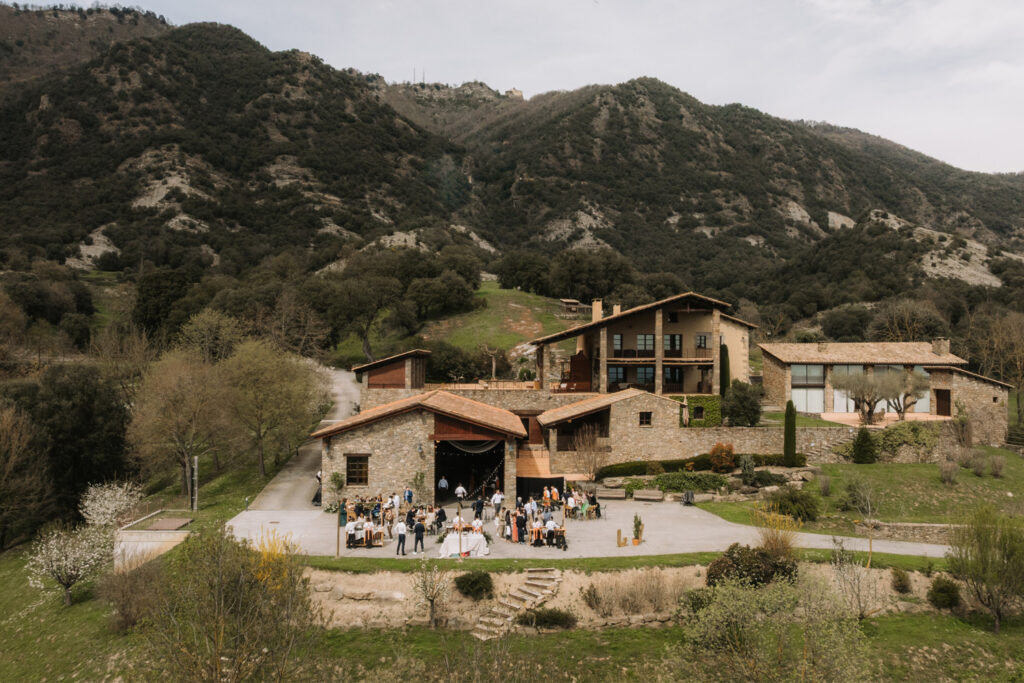
At Mas Redortra, we view a wedding as something that can extend far beyond just a few hours of celebration. Being able to enjoy nature, share various moments throughout the weekend, and stay alongside family and friends allows you to experience the occasion in a truly unique way.
Because, in the end, what turns a specific day on the calendar into a special A date isn’t about the month, the season, or even the weather. It’s everything that happens during those hours and the people you choose to share them with.
Subscribe to our newsletter to receive all our wedding planning tips.
You might also be interested in…