Civil weddings officiated by friends have a special intensity. They don’t adhere to a rigid protocol or a fixed formula, but rather reflect a genuine connection. Precisely for this reason, the script becomes the key element that lends coherence to the moment.
When preparing a script for a civil wedding officiated by friends, it’s easy to think that simply improvising based on emotion will suffice. However, authentic spontaneity requires structure. A well-planned symbolic ceremony typically lasts between 30 and 50 minutes and maintains a balance between narrative, emotion, and pacing.
Before delving into practical tips, here is a basic structure that can be adapted to suit each couple’s style.
Script structure for a civil wedding officiated by friends
- Opening and welcome: the officiating friends introduces themselves, explains their connection to the couple, and provide context for the ceremony. This sets the overall tone and establishes the initial connection with the guests.
- Account of the shared history: a selection of significant moments that explain how they met and what has led them to this day. It is not a complete biography, but a narrative with intention.
- Reflection on commitment: a few words that add depth to the event and connect the past history with the future project.
- Interventions of relatives: readings or short messages that complement the main story without breaking the overall rhythm.
- Statement of intent: the moment when the officiant asks the key questions and the couple clearly expresses their commitment.
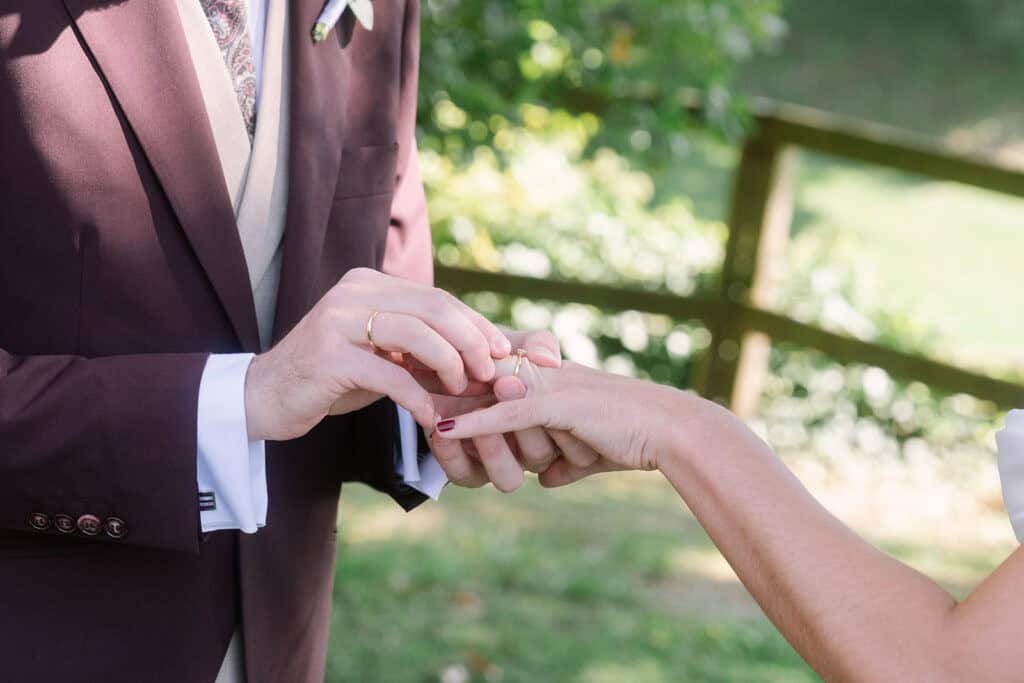
- Ring exchange: brief symbolic explanation before placing the rings.
- Optional symbolic ritual: a visual gesture that reinforces the bond if it truly fits the couple.
- Closing and proclamation: final words that announce the union and give way to the kiss and the celebration.
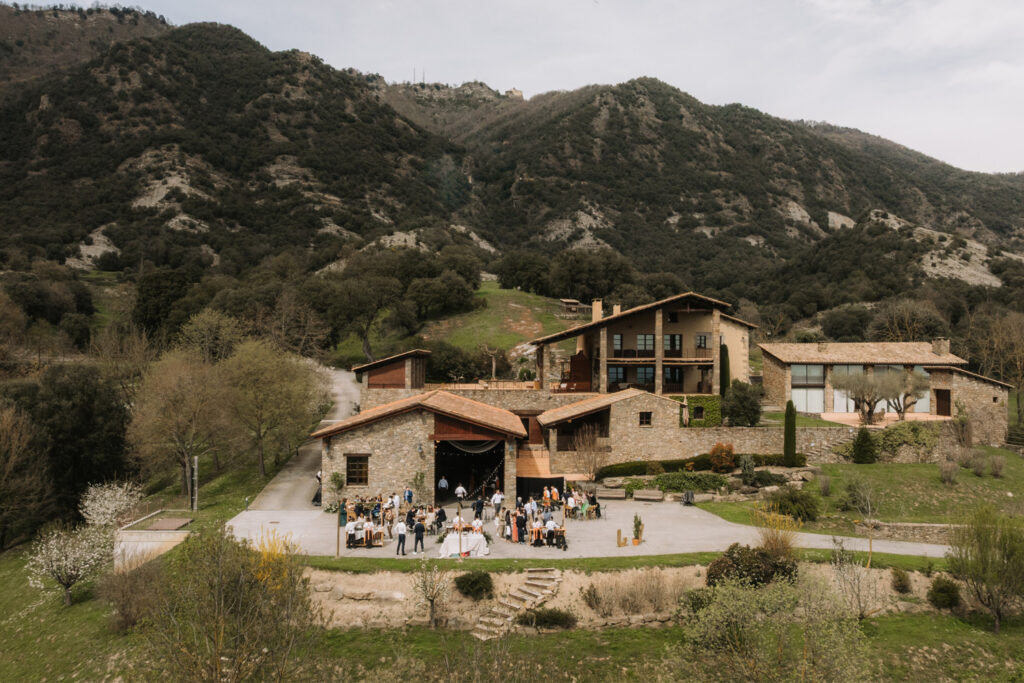
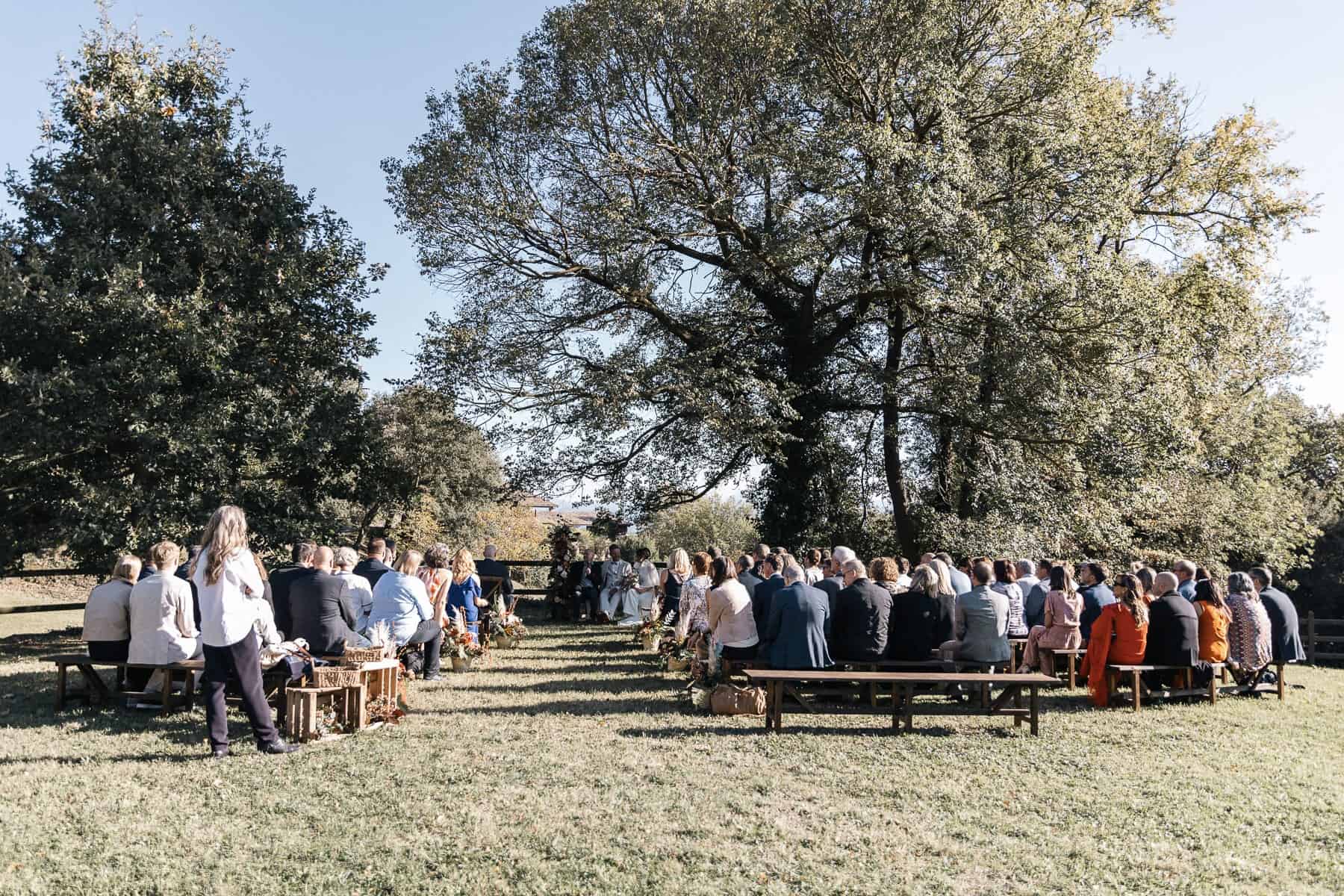
In natural and tranquil settings like Mas Redortra, where many couples hold symbolic outdoor ceremonies, this structure helps the space complement the event without compromising its coherence.
From here, the real work lies in fleshing out the script with intention and balance.
-
Understanding the role of the officiating friend
When a friend takes on this role, they do so out of affection. But it’s important to understand that their function isn’t to become the star, but rather to guide the moment.
A well-written civil wedding officiant’s speech keeps the focus on the couple. The officiant can share anecdotes, but always as a framework to explain who they are together. The key is humility: the more discreet the ego, the more elegant the ceremony.
Furthermore, it’s advisable to talk to the couple beforehand, understand what tone they want, and what boundaries they have. Not all anecdotes work in public. Sensitivity is just as important as emotion.
-
To work on history with discernment, not with accumulation.
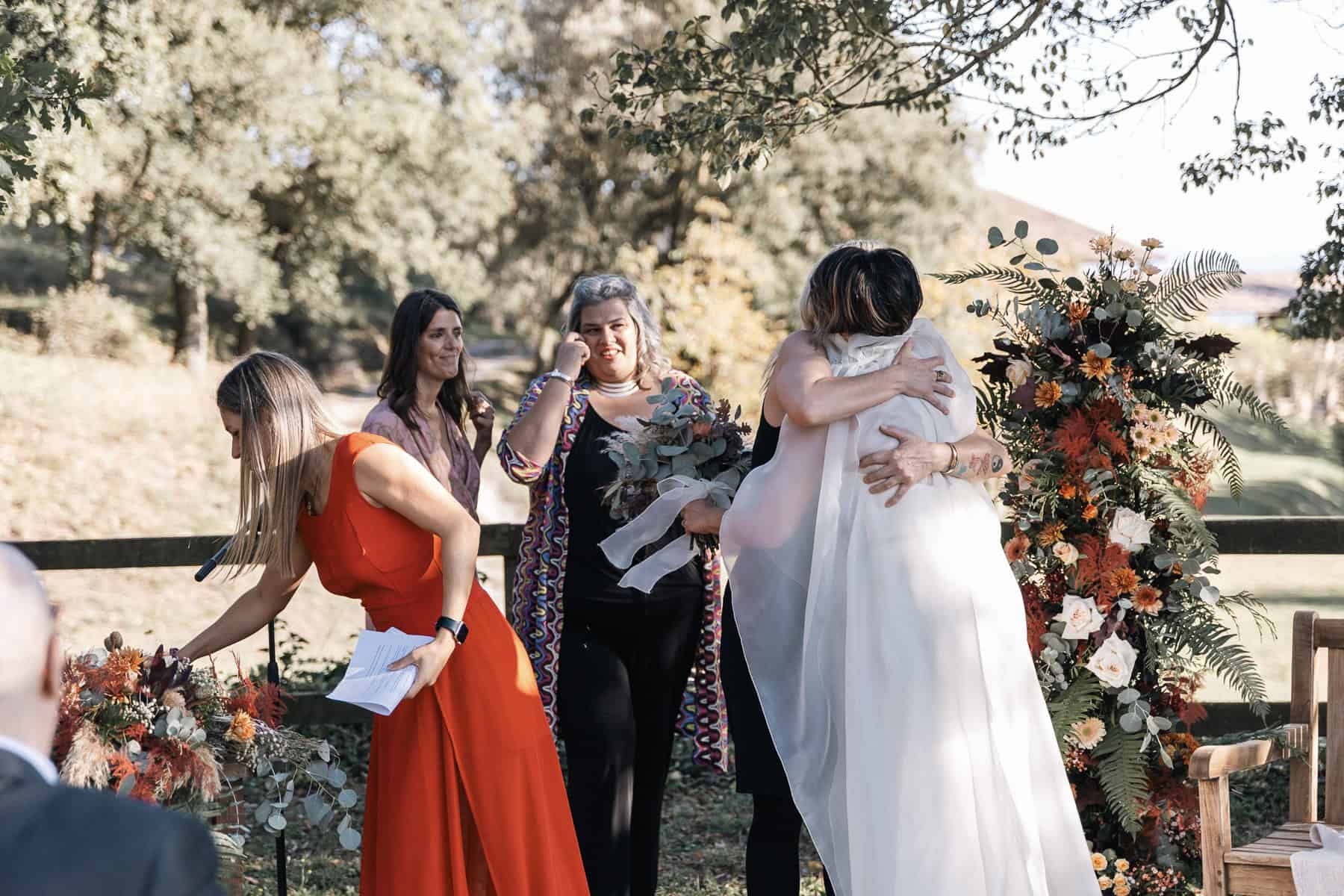
One of the most common mistakes is turning the narrative into an endless succession of memories. The script shouldn’t be a chronology, but a story with purpose.
It works better to choose two or three moments that explain something essential: how they met, when they knew they wanted to be together, what they’ve learned from each other. These fragments should be constructed almost like short scenes, with a beginning and an end.
When the narrative is well-chosen, the guests don’t just listen; they understand why they’re there.
-
Finding the balance between emotion and naturalness
Excessive solemnity can create distance. Poorly measured humor can detract from the depth. The key is to write in the same way the person officiating speaks.
If the friend is approachable and spontaneous, the script should reflect that style. If they are more reflective, it can incorporate a more measured perspective. The important thing is that it doesn’t sound contrived.
Readings or external references can enrich the event, but they must be integrated meaningfully. The focus should be on the bond being celebrated.
Subscribe to our newsletter
Receive practical advice and news about events in rural farmhouses.
-
Control the pace so as not to lose intensity
Emotion has its limits. An overly long ceremony dilutes the impact of the central moment.
Rehearsing the script aloud allows you to adjust timing, identify repetitions, and decide where to pause. Well-placed pauses add solemnity and allow the words to breathe.
In outdoor ceremonies, it’s also advisable to anticipate technical aspects such as sound, seating arrangements, and potential distractions. A well-crafted script helps maintain attention even in open spaces.
-
Incorporate a ritual only if it adds meaning
Symbolic rituals can be powerful, but they are not obligatory. The mixing of sands signifies an irreversible union; the candle ceremony symbolizes the creation of a shared project; the joining of hands represents commitment and mutual support.
However, adding a symbolic gesture simply because it’s trendy can disrupt the coherence of the ceremony. If included, it should have genuine meaning for the couple and be seamlessly integrated into the overall plan.

-
Rehearse to gain emotional confidence
Naturalness doesn’t come from complete improvisation, but from preparation. Reading the script aloud several times, rehearsing entrances and transitions, even practicing intonation, allows emotions to flow freely on the day of the ceremony.
For the officiant, this reduces pressure and increases confidence. For the couple, it brings a sense of calm.
-
Treat the closing as a final moment
The ending can’t be left open or improvised. The proclamation must be clear, confident, and consistent with everything that’s been said before.
A phrase that encapsulates the meaning of the commitment and leads into the kiss creates the final memory the guests take away. That last minute carries more weight than it seems.
A well-crafted script transforms the ceremony into an experience
Creating a script for a civil wedding officiated by friends involves honestly organizing what already exists: the couple’s story.
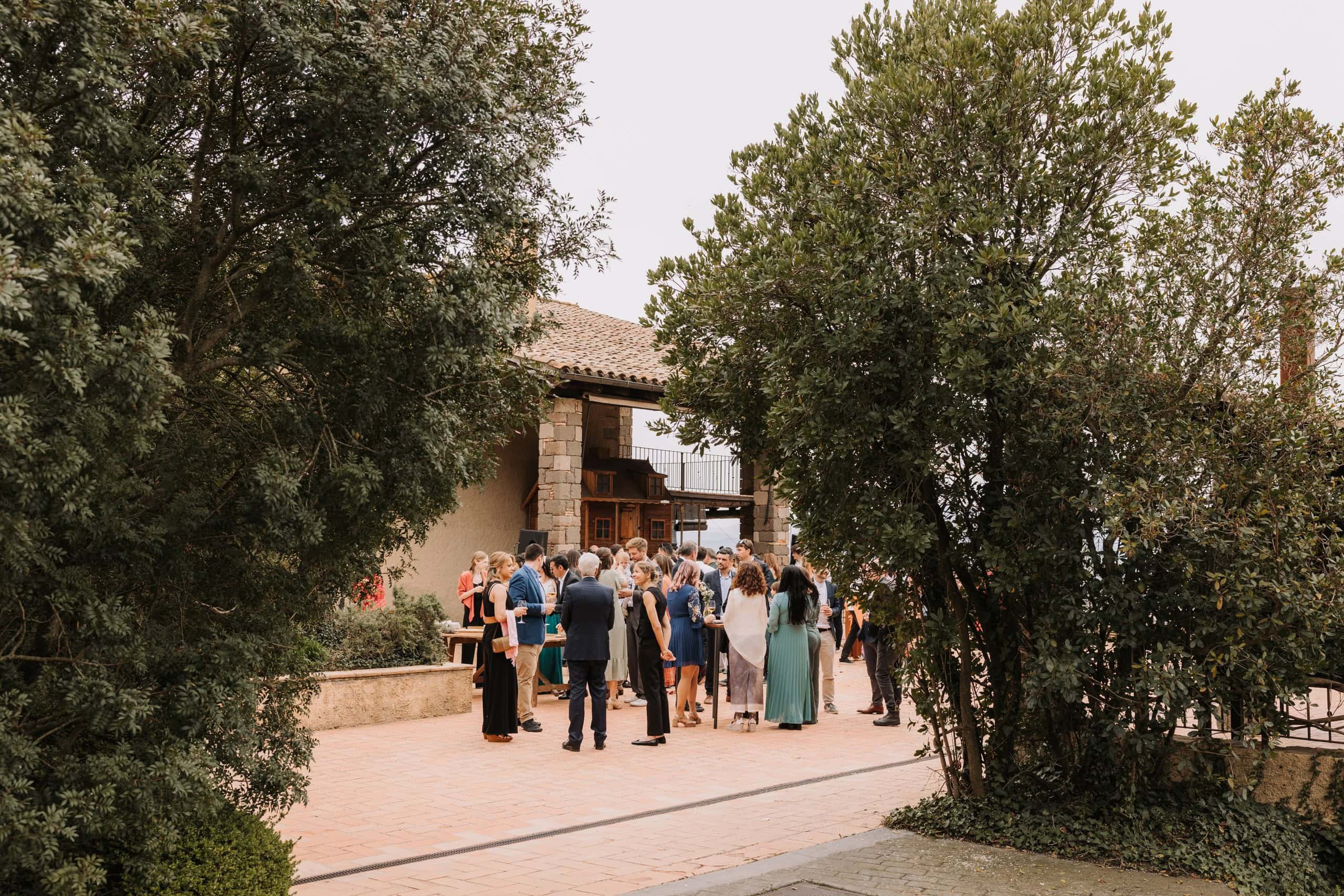
When the script is well-crafted, the setting becomes even more powerful. In places like Mas Redortra, where nature and tranquility allow for a relaxed celebration, the rhythm of the space complements the rhythm of the ceremony.
Holding a symbolic ceremony in an environment that fosters concentration and intimacy makes every word carry more weight. The silence, the light, and the proximity of the guests amplify the emotion without the need for artifice.
Ultimately, a well-written script is evident because everything flows naturally. And when structure and setting are aligned, the ceremony ceases to be a mere formality and becomes a lasting memory.
Design your civil wedding officiated by friends in an environment that complements every word.
You might also be interested in…