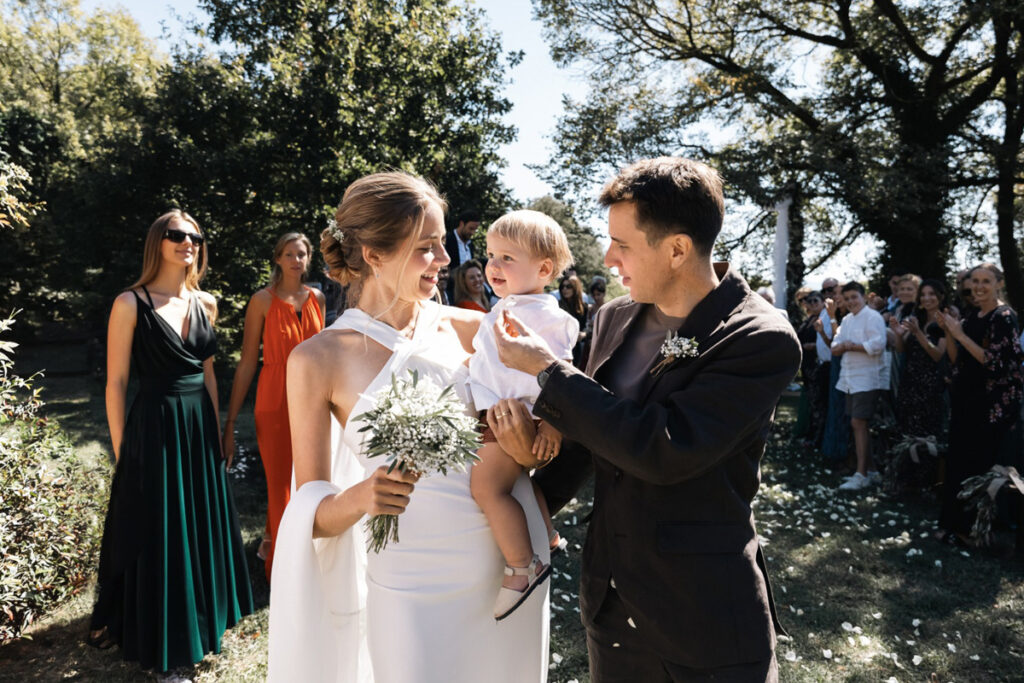
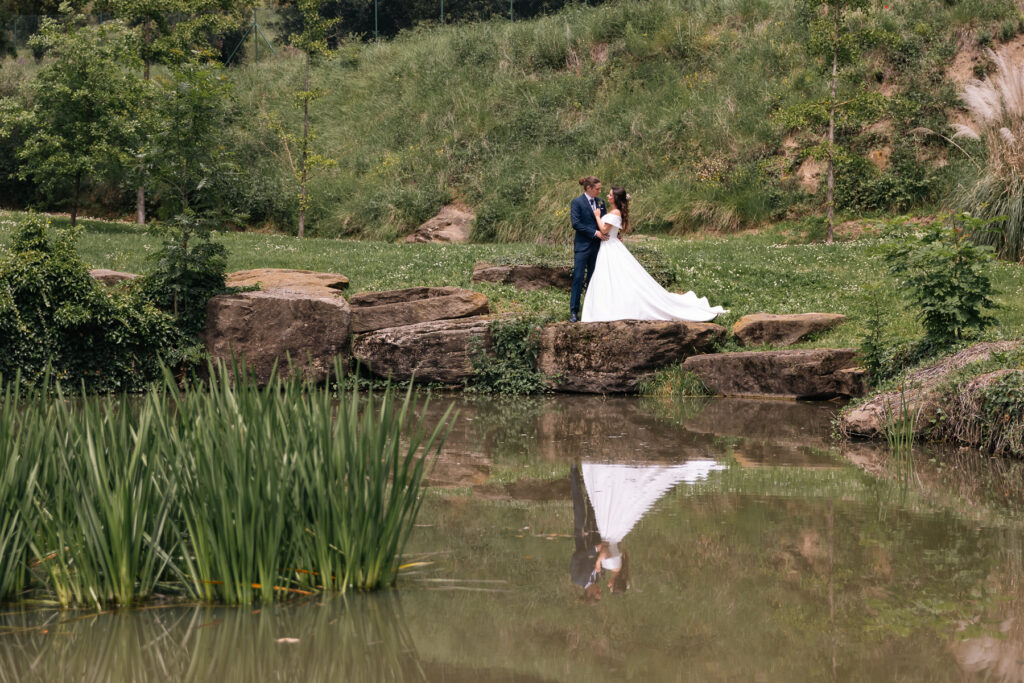
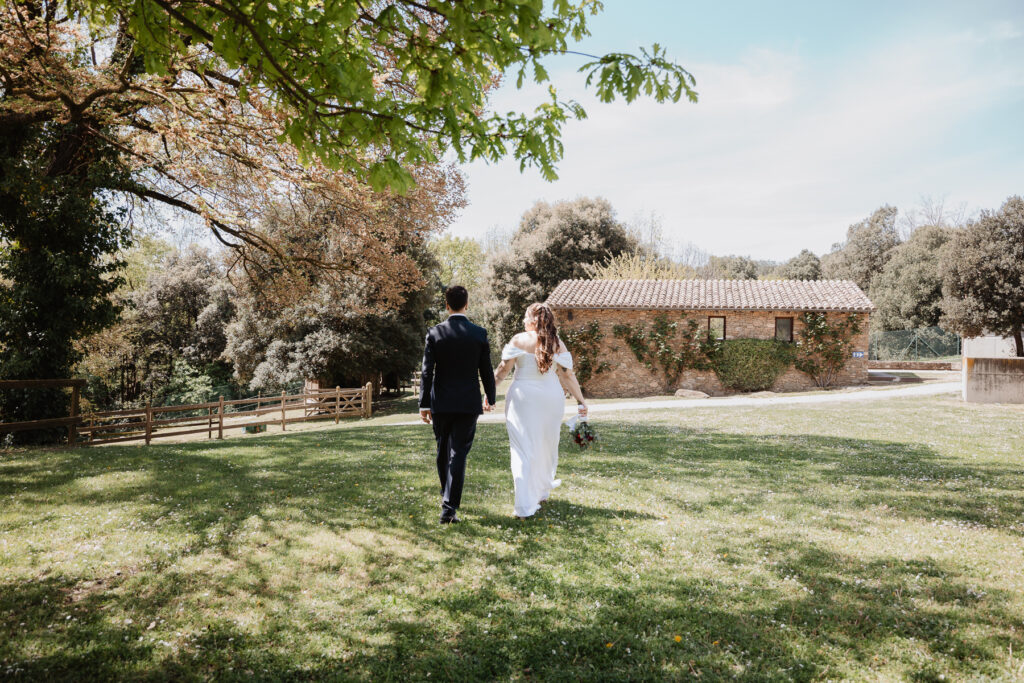
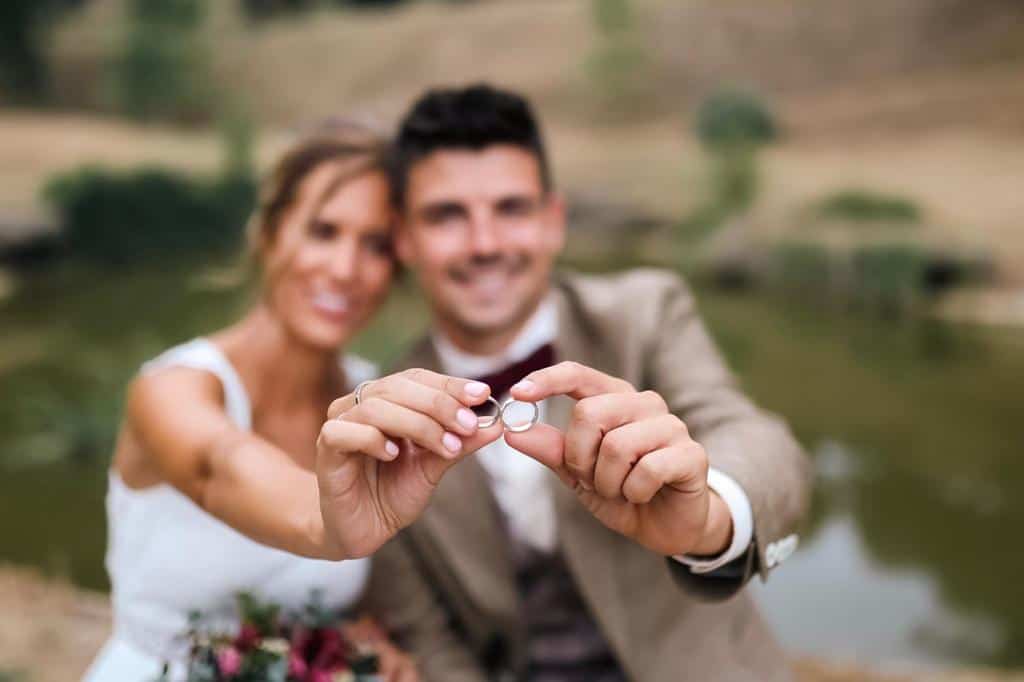
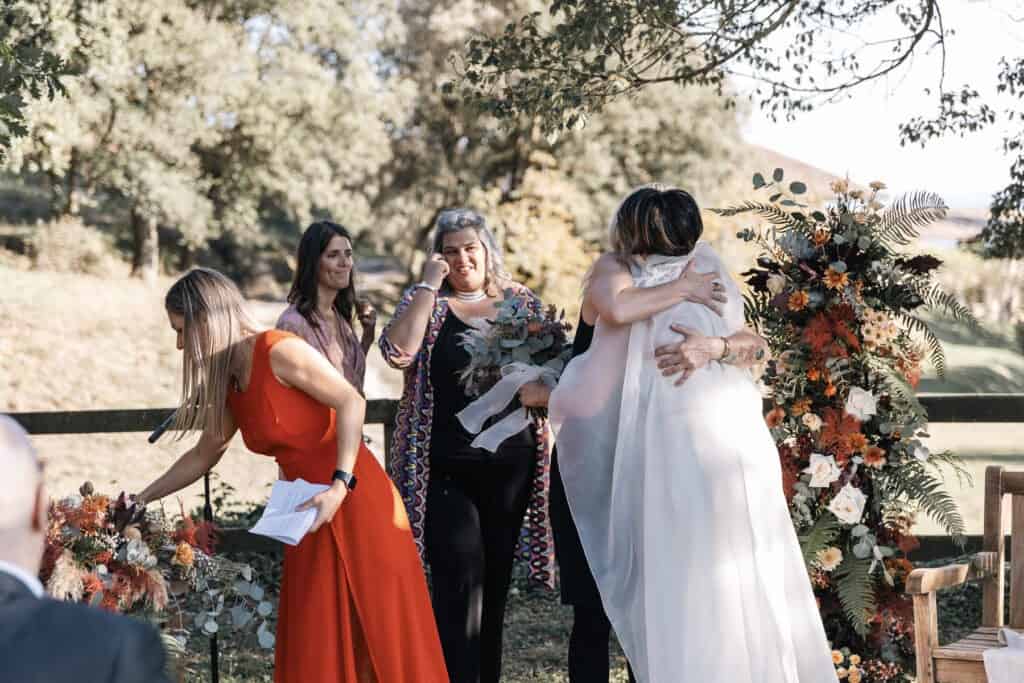
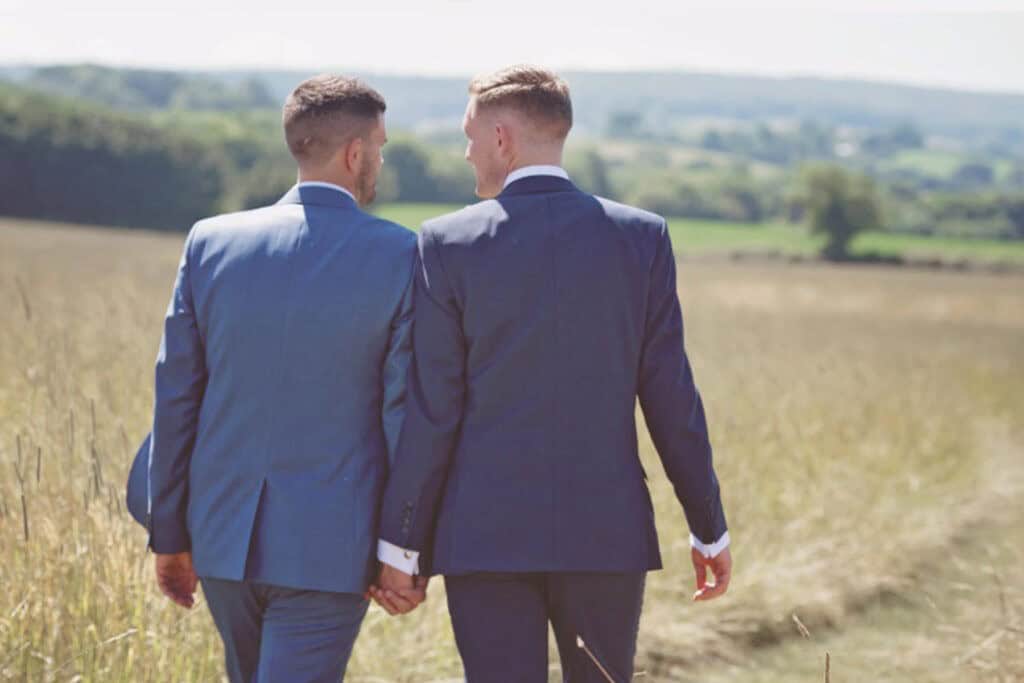
A wedding is one of those special occasions when family and friends from different stages of our lives come together in one place. Yet, after months of preparation, the celebration often unfolds in just a few hours. Between the ceremony, photographs, the reception, and the party, finding time to share moments with every guest can be challenging—especially when many of them have traveled from other cities or countries.
For this reason, multi-day weddings—also known as weekend weddings—offer an alternative to traditional, single-day celebrations. Instead of packing all the events into one day, couples can extend the experience over an entire weekend, incorporating a welcome dinner, the wedding celebration itself, shared accommodations, and a farewell gathering.
For international couples, this format offers something especially valuable: the chance to transform a destination wedding into a shared experience, where guests can discover the local culture, enjoy quality time together, and create memories that extend well beyond the day of the ceremony.
In this guide, we explain how to organize a weekend wedding in Spain, what to consider when planning each day, and how to ensure that accommodation and activities contribute to a comfortable and special experience for everyone.
What is a weekend wedding?
A weekend wedding is a wedding celebration that spans several days, allowing for shared moments with family and friends beyond just the ceremony and the reception. Instead of bringing all the guests together for a single day, various gatherings are organized throughout the weekend, creating a more comprehensive and relaxed experience.
The most common format is a three-day wedding, typically spanning from Friday to Sunday, although the duration and schedule can be tailored to each couple’s preferences, the needs of the guests, and the possibilities offered by the chosen venue.
A typical weekend wedding proposal includes:
– Day 1. Arrival and welcome dinner: guests arrive at the destination, settle into their accommodations, and enjoy an initial, informal get-together before the wedding.
– Day 2. Ceremony and celebration: the wedding takes place, including the preparations, the ceremony, the cocktail hour, the banquet, and the party.
– Day 3. Farewell brunch: a relaxed morning to share memories, enjoy one last get-together, and say goodbye before heading home.
The main advantage of this format is that the celebration unfolds in a more natural way, without the pressure of having to pack all conversations and experiences into just a few hours. A weekend wedding is not simply about extending a wedding; it is about creating a shared experience with the people who matter most.
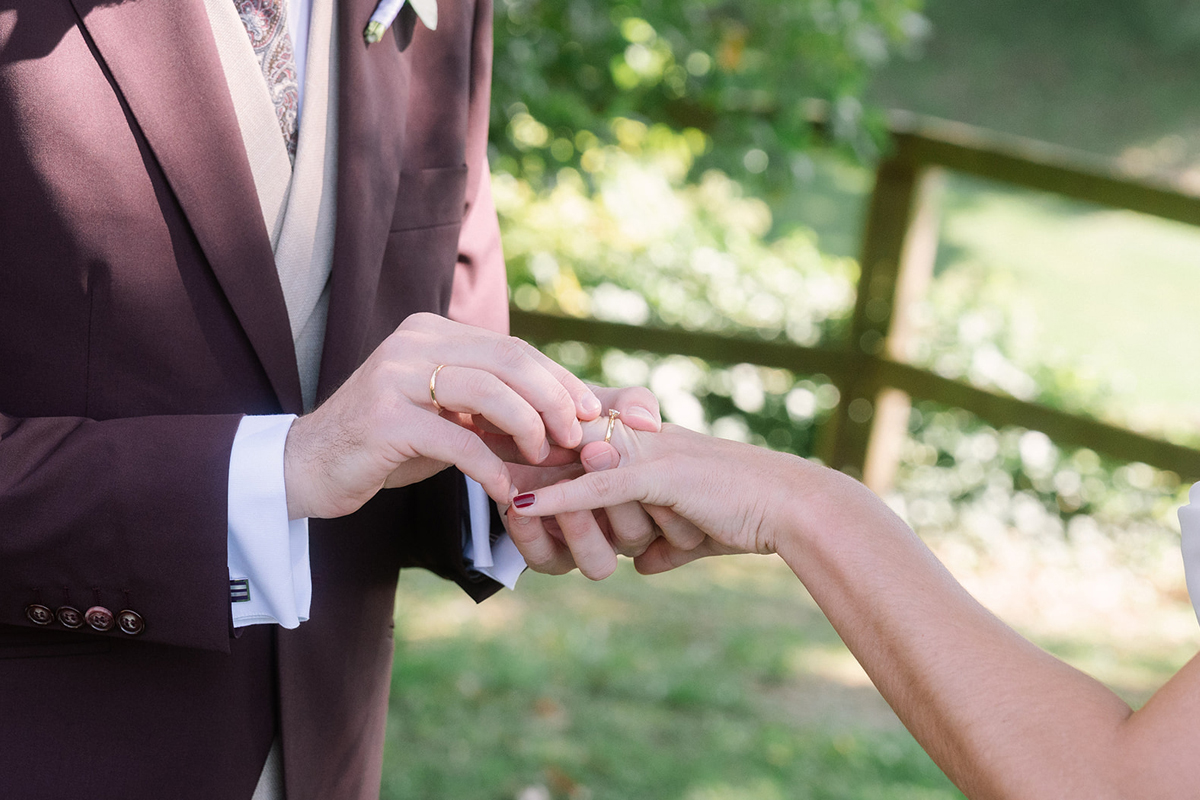
Why choose Spain for a weekend wedding celebration?
Spain offers a combination of a Mediterranean climate, cultural heritage, gastronomy, and diverse landscapes, making it an attractive destination for couples looking to host an international wedding. From historic cities and coastal towns to rural estates and traditional farmhouses, there are countless possibilities for creating a celebration that reflects each couple’s unique personality.
For international guests, accessibility is one of the most important aspects. Cities such as Barcelona and Madrid offer extensive international air connections, while the rail and road network facilitates travel to various regions, making it possible to discover places beyond the main urban centers.
Catalonia is particularly appealing to those who wish to combine good international connections with a wedding surrounded by nature. Barcelona offers a wealth of cultural, architectural, and gastronomic options, while the surrounding rural areas allow for a more intimate and relaxed celebration.
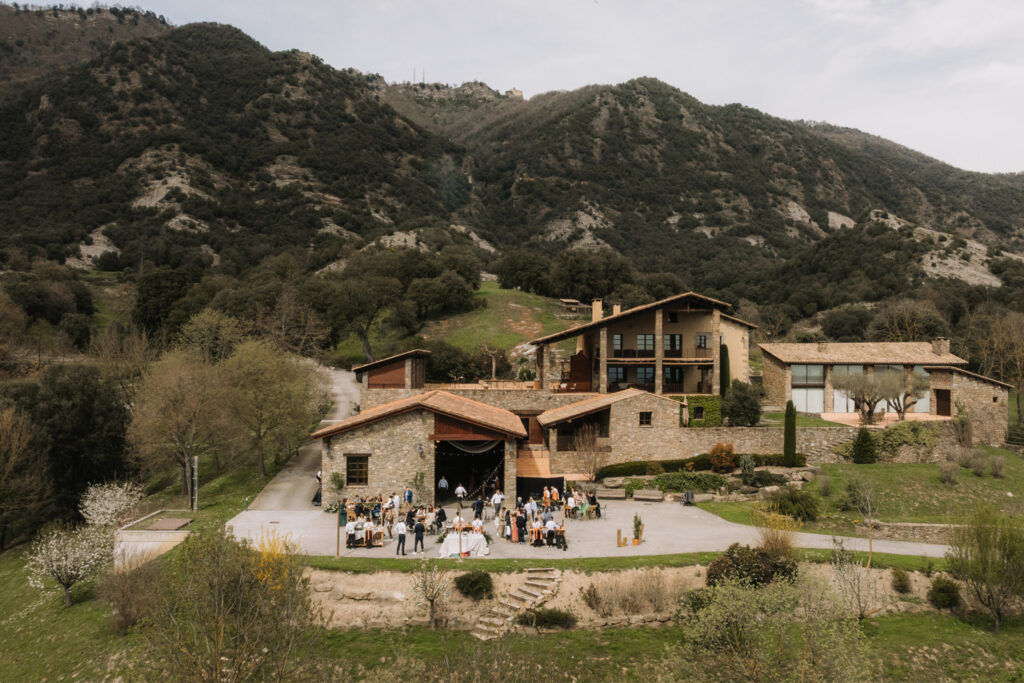
Catalan *masías*—traditional structures deeply rooted in the rural landscape—offer a unique atmosphere that blends historic architecture, gardens, and outdoor spaces, with some even providing on-site accommodation. For couples looking to host a wedding at a masía, these venues offer the chance to enjoy the surrounding scenery and local traditions, all while spending several days together with family and friends.
If you are organizing your celebration from abroad, you can also consult our guide on how to plan a wedding in Spain, where you will find recommendations for preparing a destination wedding and coordinating the various aspects of the celebration..
Subscribe to our newsletter
How to organize a three-day wedding
Organizing a multi-day wedding means viewing the experience as a cohesive whole, rather than planning three entirely separate events. Each day can have its own distinct atmosphere and purpose, allowing the celebration to unfold naturally while ensuring there is ample time for guests to rest and enjoy the destination.
– Day 1. Arrival of guests and welcome dinner
The first day is intended for arrival, settling in, and reconnecting. For guests traveling from abroad, having time to reach their accommodation, drop off their luggage, and rest after the journey makes the start of the celebration much more comfortable. It is best to avoid scheduling activities too soon, especially when guests are arriving on different flights or need to make further connections from the airport.
The welcome dinner is an opportunity to bring all attendees together in an informal setting before the big day. Instead of hosting an overly elaborate reception, you might opt for an outdoor dinner, a barbecue, a traditional culinary experience, or a gathering featuring local products and wines. The goal is to create a welcoming atmosphere where guests can get to know one another, reconnect, and begin enjoying the destination together.
This initial gathering is particularly meaningful when family members and groups of friends do not yet know one another. Sharing a meal helps break the ice and fosters a greater sense of familiarity for the following day, allowing guests to arrive at the wedding feeling like part of a single, unified celebration. Furthermore, for couples hosting a wedding in Spain, incorporating local cuisine is a wonderful way to introduce guests to the regional culture, offering an authentic experience without the need for an overly structured itinerary.
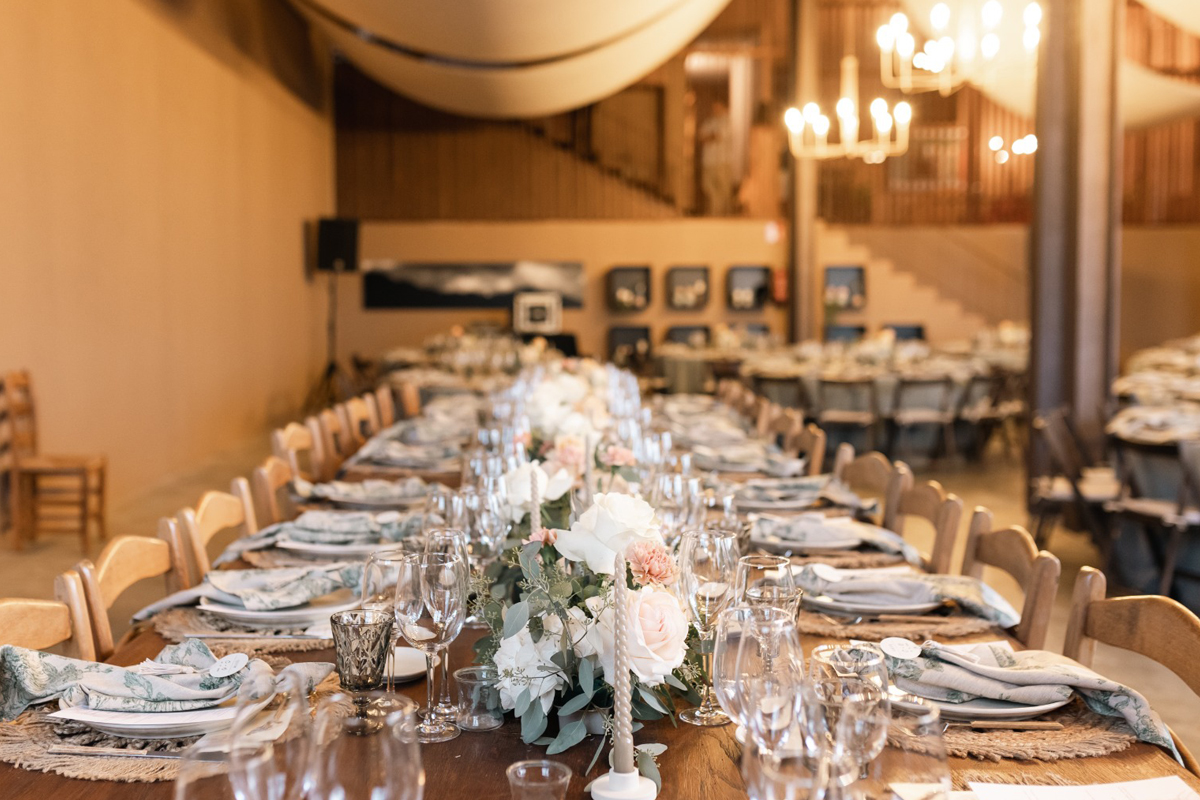
– Day 2. The wedding ceremony and celebration
El segundo día está dedicado a la boda, desde los preparativos y la ceremonia hasta el aperitivo, el banquete y la fiesta. Haber compartido tiempo durante la jornada anterior permite que todos los invitados afronten la celebración con una mayor familiaridad, creando un ambiente cercano y relajado desde el principio.
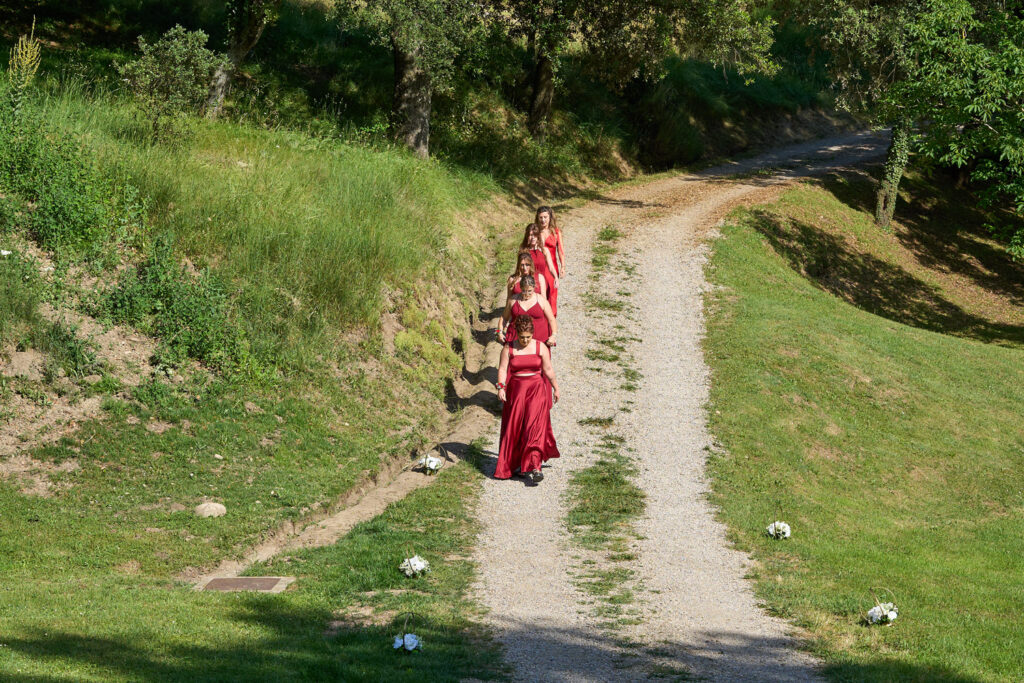
One of the advantages of hosting a weekend wedding at a venue that offers on-site accommodation is the ability to get ready right at the estate. The couple can enjoy the morning surrounded by their closest family and friends, without the need for unnecessary travel or the logistical complications of moving between hotels and various other locations. Sharing the preparations, breakfast, or the moments leading up to the ceremony turns the stay itself into an emotionally meaningful part of the wedding, creating memories that extend well beyond the main celebration.
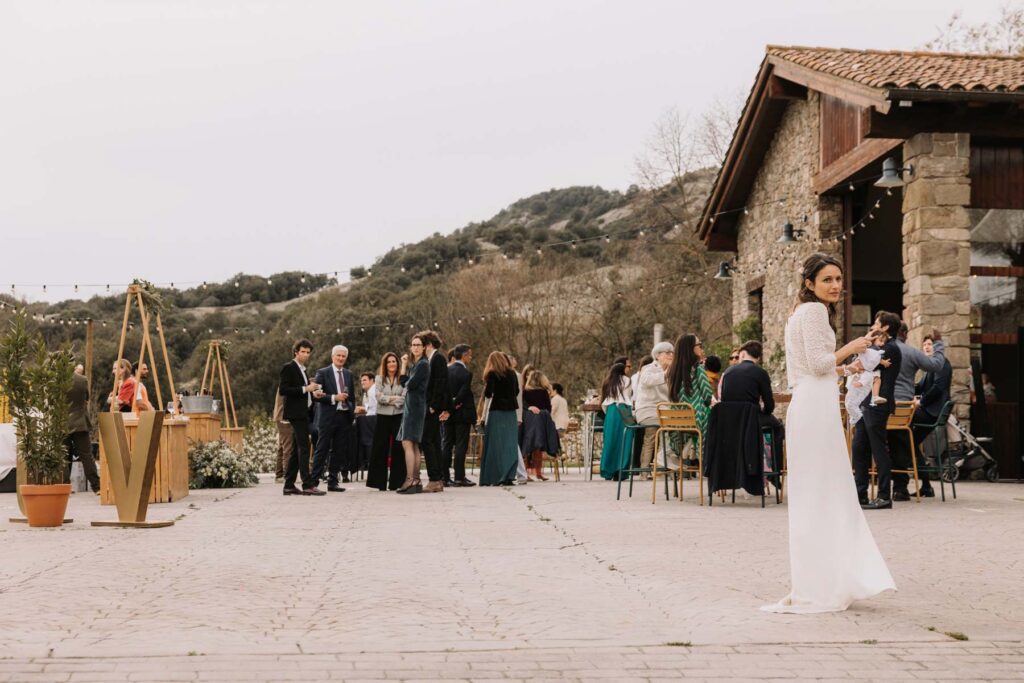
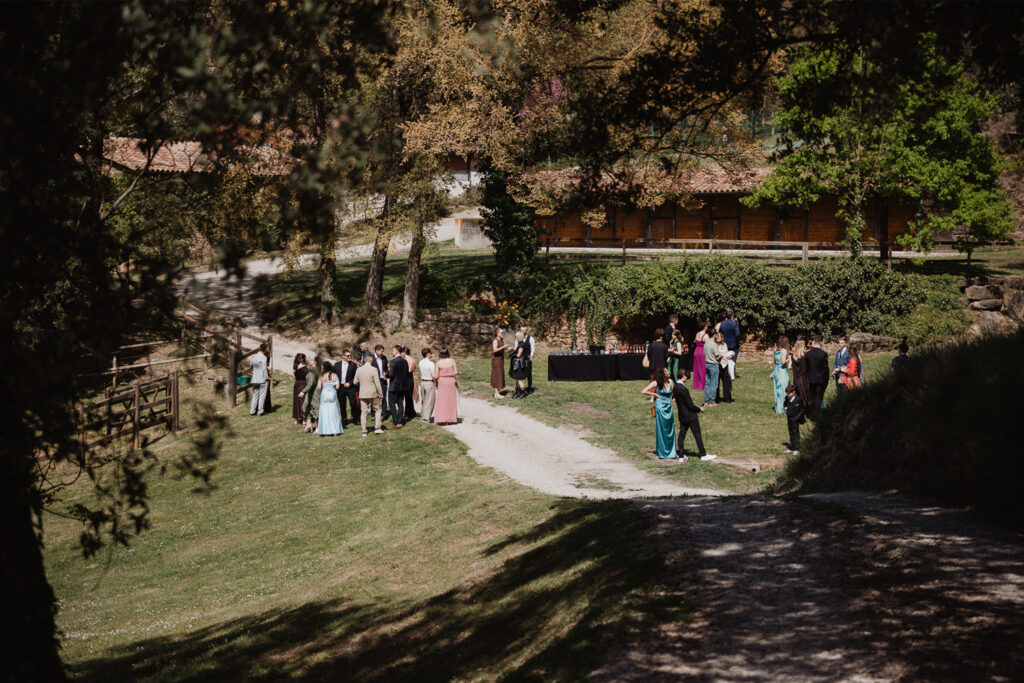
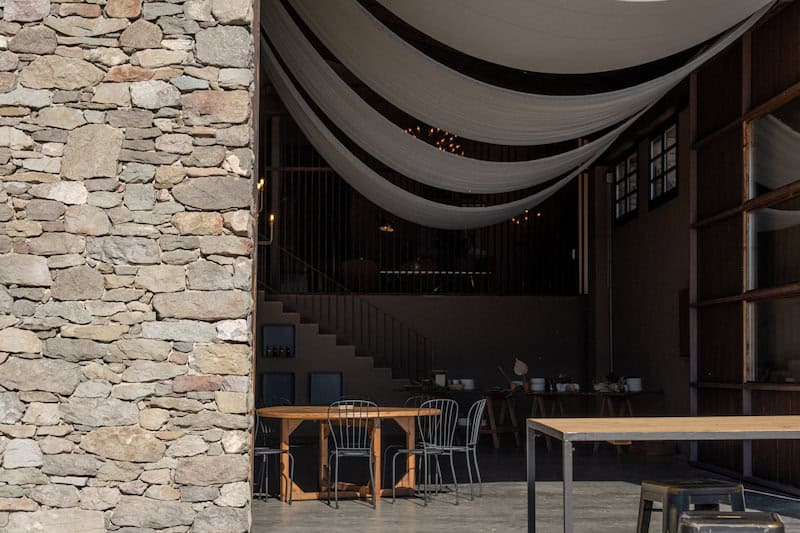
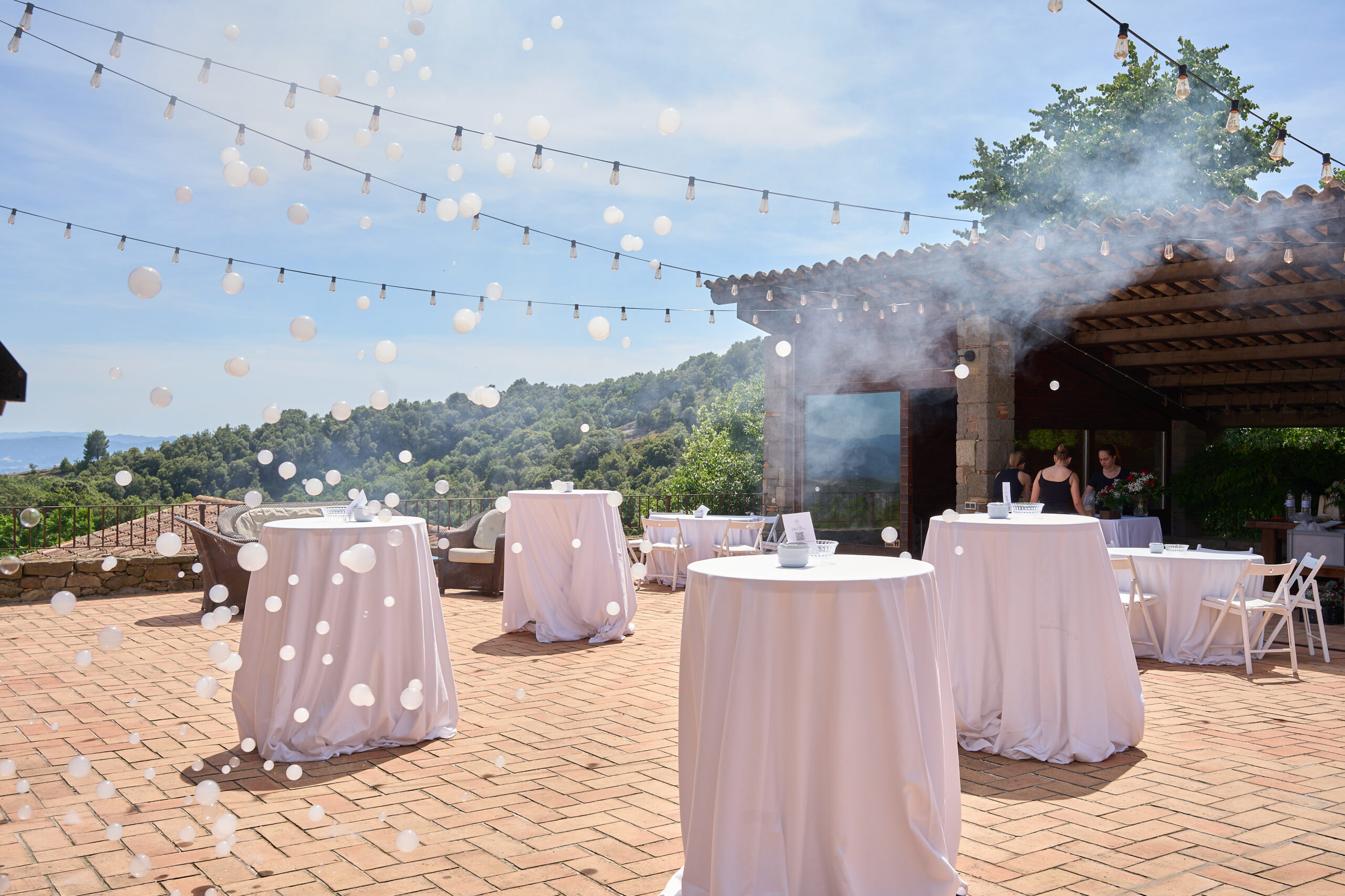
The ceremony can be held in a garden, a courtyard, or any other meaningful space, followed by a cocktail reception and a banquet. Choosing a venue with a variety of indoor and outdoor settings allows for an experience that evolves throughout the day, with each space utilized for a different part of the celebration. At Mas Redortra, for instance, “La Plaza” offers a setting with views overlooking the Vic plain, the Montseny massif, and Bellmunt—an ideal spot for welcoming guests and hosting the cocktail reception.
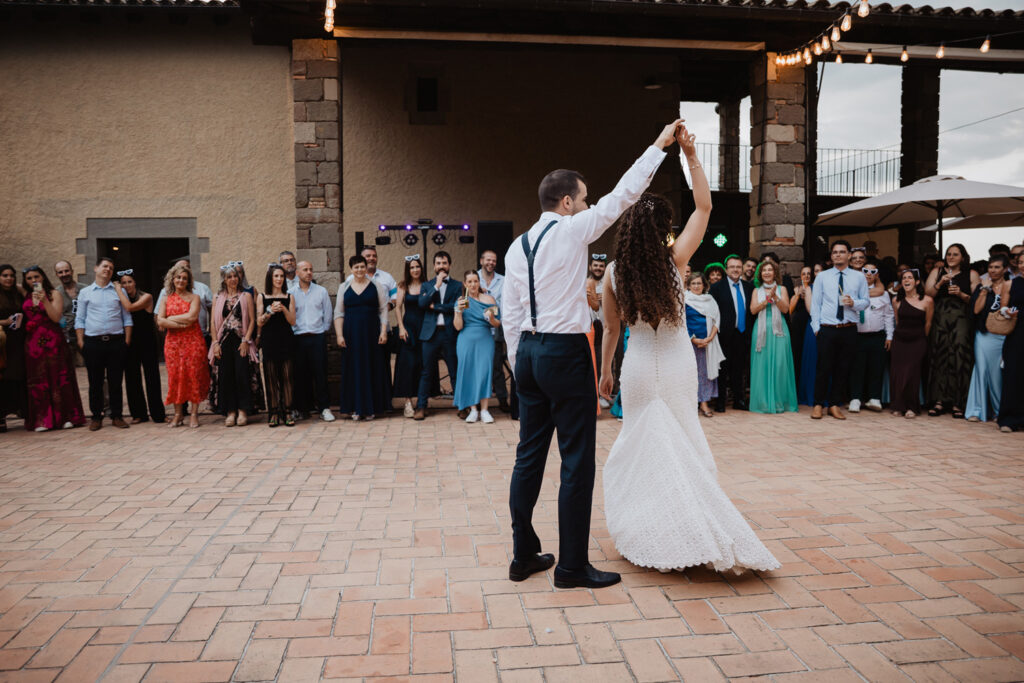
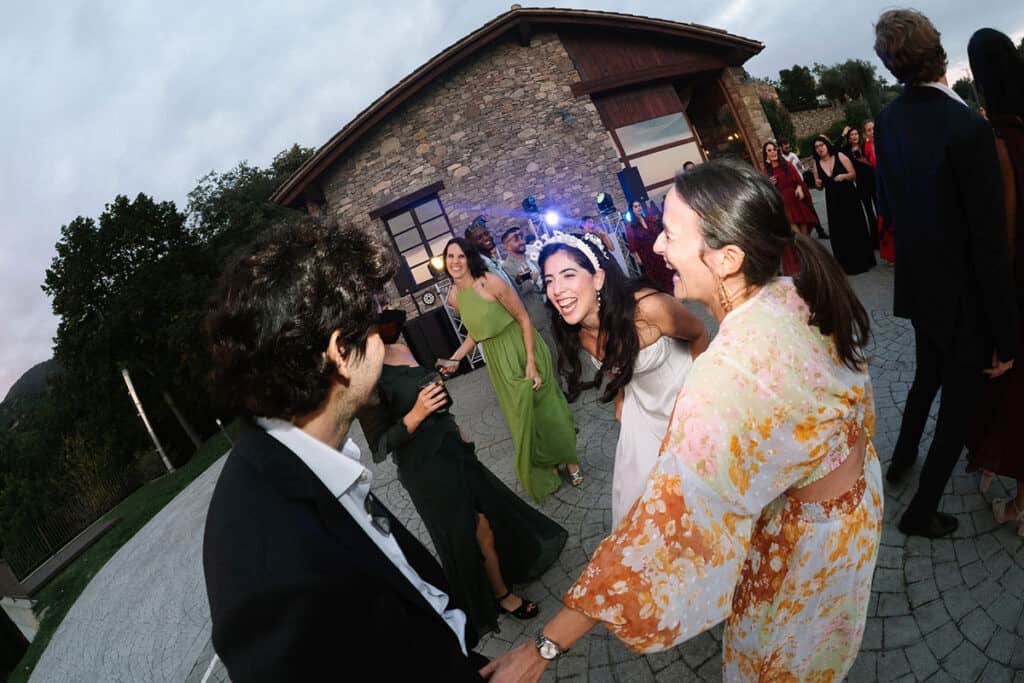
After the banquet comes the celebration, which may feature music, dancing, and various areas where guests can enjoy themselves at their own pace. Planning a multi-day wedding allows you to experience the event without the pressure of having to fit every conversation into just a few hours, as welcome and farewell gatherings provide extra time to spend with family and friends.
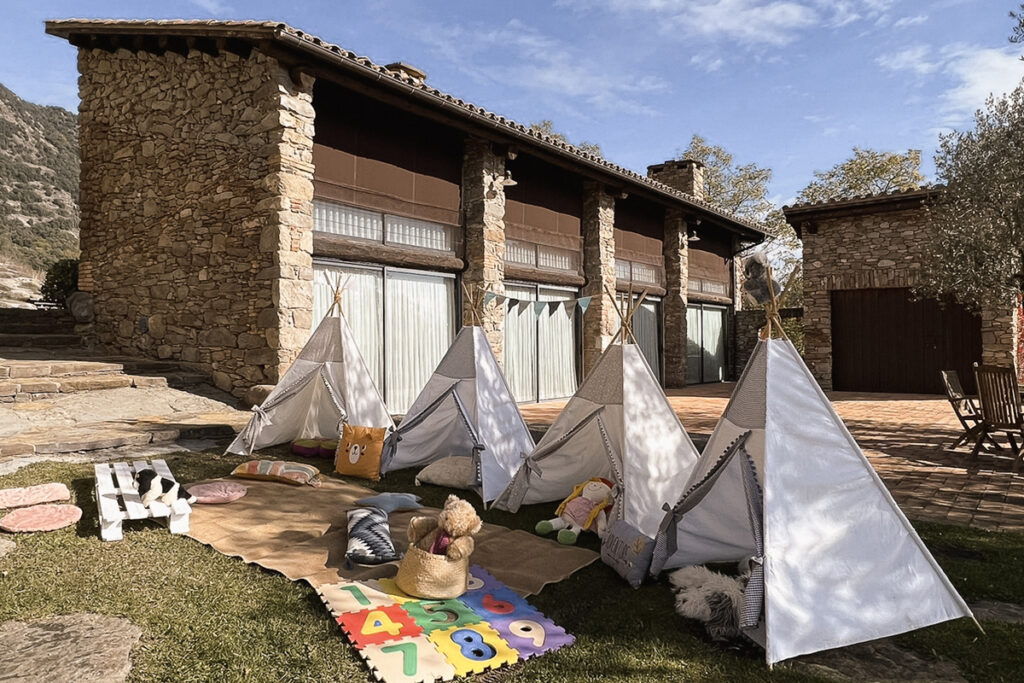
For weddings that include families and children, it can also be a good idea to set up activities or play areas tailored to the little ones. In our guide to wedding games for children, we share various ideas to ensure they, too, can enjoy the celebration.
– Day 3. A farewell brunch to wrap up the weekend
After the excitement of the wedding day, the final morning offers a chance to slow down and share a few more moments before everyone heads home. Hosting a farewell brunch is one of the most delightful ways to conclude a wedding weekend—it avoids rushed goodbyes and creates one last opportunity for everyone to spend time together.
The gathering can be organized in an informal way, with a flexible schedule that allows guests to join according to their travel plans. Depending on the time of year and the chosen venue, the event can take place outdoors, on a terrace, or in a cozy dining area, featuring a selection of fruits, pastries, local products, and savory dishes.
These final moments often become some of the most personal memories of the entire celebration, as the couple can spend time with their guests in a relaxed setting, free from the formal constraints typical of a wedding day. For those who choose to extend their stay, the experience can also include a walk in nature, a visit to a nearby village, or simply a few hours enjoying the amenities before heading home.
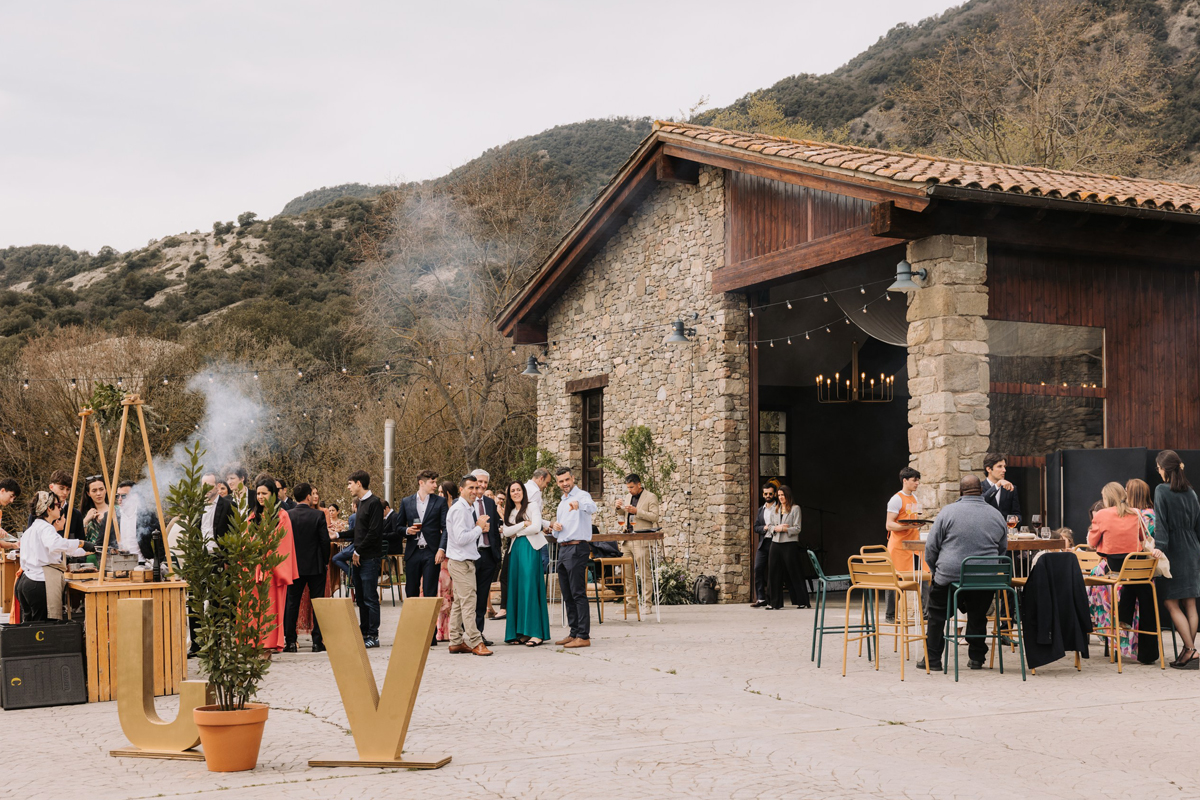
The importance of accommodation for a multi-day wedding
When planning a destination wedding, accommodation is much more than just a practical necessity. It is part of the emotional experience of the celebration—especially when family and friends travel from other countries, having not seen each other for a long time.
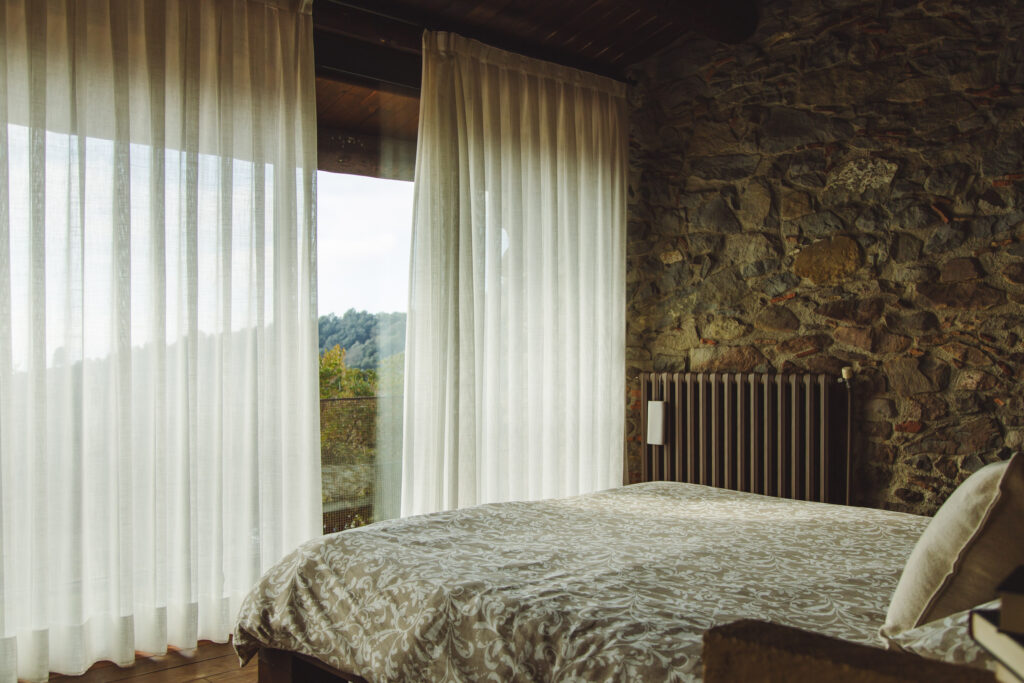
Choosing a wedding venue that includes accommodation allows the couple, along with some of their closest family and friends, to stay on-site throughout the weekend—transforming the wedding into an experience that extends well beyond the scheduled events. Furthermore, having accommodation on-site plays a crucial logistical role, as it simplifies travel and makes organizing various gatherings much easier.
Spend more time with family and friends
One of the most special aspects of a multi-day wedding is the opportunity to enjoy small, everyday moments with the people who matter most. Having breakfast together, engaging in spontaneous conversations in the garden, or relaxing after the celebration can become memories just as meaningful as the ceremony itself.
For international couples—who may have family and friends living in different countries—these moments take on a special significance. A multi-day wedding offers the chance to reconnect without the time constraints typical of a traditional celebration, allowing guests to catch up on conversations, share experiences, and enjoy the company of people with whom it is not always easy to get together.
Sharing accommodation fosters a more personal and intimate experience, where guests can enjoy each other’s company in an atmosphere that feels more like a family gathering than a formal event. At the same time, it offers the couple the peace of mind that comes from having their most important people close by during the preparations and the days of celebration.
Facilitate organization for international guests
Más allá de la experiencia emocional, el alojamiento es uno de los aspectos logísticos más importantes. Viajar a otro país implica organizar vuelos, traslados, equipaje y desplazamientos por un entorno desconocido, por lo que disponer de información clara sobre dónde alojarse y cómo llegar al lugar de la celebración puede marcar una gran diferencia.
When it is possible to stay on the estate itself, the couple and some of their guests can avoid extra travel between the celebration venue and their accommodations. This is especially convenient after the party or while preparing for the ceremony. However, since not all venues can accommodate every attendee, a practical solution may be to combine on-site lodging for close family and friends with nearby hotels or rural guesthouses.
It is also advisable to plan for airport transportation, room assignments, arrival and departure times, and the number of nights required. Another important consideration is determining who will cover the cost of the rooms, especially when some guests are traveling from abroad. In our article on who pays for wedding guest accommodation, we explain the various options for managing this aspect of the celebration.
For those seeking a rural experience, country houses for groups can be an alternative to conventional hotels, especially when family members or friends wish to stay together.
How to make the most of a multi-day wedding
Although the ceremony is the centerpiece of the celebration, a multi-day wedding also offers the opportunity to explore the destination through various experiences. Couples can incorporate activities that reflect their own interests as well as the character of the location, while still allowing guests enough freedom to enjoy their stay at their own pace.
Discover local culture and gastronomy
For international guests, attending a wedding in Spain can also be an opportunity to discover the region’s traditions, gastronomy, and cultural heritage. Organizing a wine tasting, visiting a local market, or enjoying a traditional Catalan meal are just a few of the experiences that can complement the celebration and help guests connect with the local area.
These activities do not have to be complex. Sometimes, a welcome dinner featuring regional dishes or a brunch prepared with locally sourced ingredients is enough to create a special connection with the destination. Incorporating small touches of the local culture gives the trip a distinct identity, ensuring that guests remember not only the wedding but also the place where it was held.
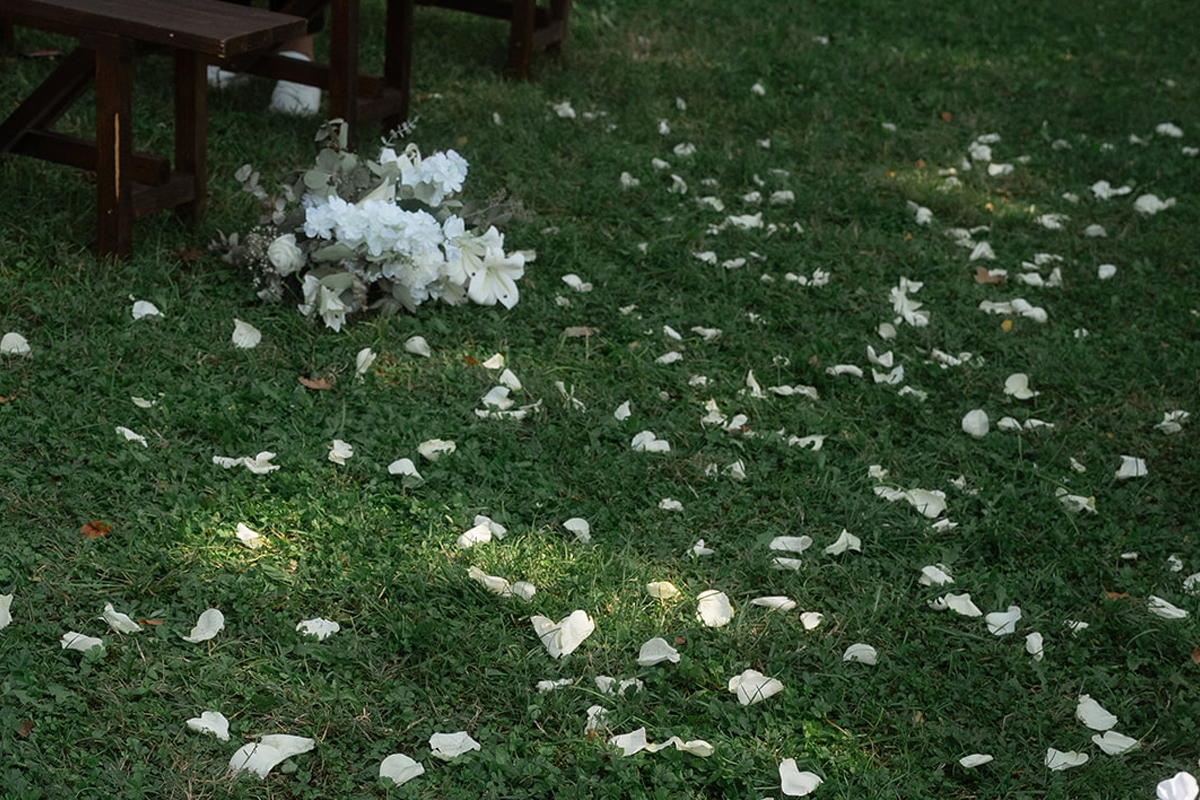
Enjoying nature and the surroundings
Elegir una finca rodeada de naturaleza abre diferentes posibilidades para compartir tiempo al aire libre. Dependiendo de la ubicación y de la época del año, los invitados pueden disfrutar de paseos, excursiones cercanas, visitas a pueblos históricos o simplemente momentos de descanso en los jardines.
For couples planning a three-day wedding in Catalonia, the combination of mountain landscapes, rural settings, and charming small towns offers a variety of experiences—all without having to venture too far from Barcelona. The key is to provide options that enhance the celebration without making guests feel as though every moment of the weekend is strictly scheduled, leaving them with free time to relax or explore the destination on their own.
Pay attention to the welcome and the small details
Small gestures can make a big difference, especially for international guests who are unfamiliar with the destination. A welcome note in the room, a brief schedule of the various events, or a selection of local recommendations can help everyone feel comfortable from the very first moment.
It is also helpful to share practical information regarding transportation, attire, weather forecasts, and the organization of the celebrations. For weddings that include guests of different nationalities, providing information in multiple languages can improve communication and prevent any uncertainty during their stay. The easier the arrangements are for the attendees, the more they will be able to focus on enjoying the celebration.
Checklist for organizing your weekend wedding in Spain
Organizing a multi-day wedding involves coordinating various stages of the celebration, from the arrival of the guests to their accommodation and the planned activities. To simplify the preparations, it is helpful to compile the key decisions into a checklist, ensuring that all important aspects have been accounted for.
This checklist can serve as a reference for organizing your weekend:
| Moment | What to prepare | What to prioritize |
| Before the wedding | Choosing a destination and a property | Good accessibility and suitable spaces |
| Accommodation booking | Allocate rooms and nights | Comfort for international guests |
| Travel and trips | Coordinate flights and transfers | Make reaching the destination easier |
| Day 1. Welcome | Organize a reception and informal dinner | Reunion and a relaxed atmosphere |
| Day 2. Preparations | Organize rooms and schedules | Enjoying the morning without any rush |
| Day 2. Wedding | Coordinate the ceremony, banquet, and party | Continuity between spaces and activities |
| Day 3. Farewell | Preparing brunch and outings | Sharing one last moment together |
| During the stay | Propose activities and free time | Discover the destination without overloading your schedule |
Wedding planning should make the experience easier, not turn it into a series of mandatory tasks. Once the key elements are organized, the most important thing is to leave room for spontaneity and enjoy the moments shared together.
A multi-day wedding, an experience to remember
Organizing a multi-day wedding in Spain is not just about extending the celebration; it’s about creating more opportunities to spend time with the people who truly matter.
From the excitement of welcoming guests to the intimacy of the preparations, the ceremony, the celebration, and the conversations shared during the farewell brunch—every moment is part of a broader experience that the couple and their loved ones will be able to look back on long after the wedding.
For international couples, combining the celebration with accommodation and a few days in a special destination allows a one-off occasion to be transformed into a shared journey—one where spending time together, savoring small moments, and enjoying spontaneous experiences become just as valuable as the celebration itself.
Are you thinking about planning a multi-day wedding in Spain? We invite you to explore our masia traditional farmhouse for weddings near Barcelona and discover the possibilities of hosting your wedding in an authentic Catalan farmhouse surrounded by nature.
Celebrate your wedding in Spain
Enjoy our traditional *masia* and celebrate your weekend wedding at our unique venue.
You might also be interested in…