Business tourism encompasses travel for professional purposes, such as meetings, congresses, trade fairs, training sessions, and incentive trips. It includes MICE tourism—focused on corporate events and gatherings—and can combine work with cultural and gastronomic experiences, as well as opportunities for social interaction.
Beyond facilitating business relationships and learning, stepping outside one’s usual environment can offer teams time to share experiences and work in a different way. The type of trip, its duration, and the destination will always depend on the company’s objective.
What is business tourism, or MICE tourism?
Business tourism is defined as any travel undertaken outside one’s usual environment for professional purposes. This may involve an individual trip to visit a client or participation in an activity organized by a company.
Within this sphere, we find what is known as MICE tourism—a term derived from the English acronym for Meetings, Incentives, Conferences, and Exhibitions—which refers to business meetings, incentive travel, congresses, and trade fairs or exhibitions. It is one of the primary segments of business tourism and involves the organization of professional gatherings that require travel, specialized facilities, and tourism-related services.
Although both concepts are often used as synonyms, business tourism is broader, as it also encompasses individual work-related trips that are not necessarily linked to an organized event.
Key characteristics of business tourism
- Professional motivation: travel serves business objectives, such as attending meetings, participating in conferences, establishing commercial relationships, or strengthening bonds among colleagues.
- Connectivity and accessibility: destinations must have good air, rail, and road connections to facilitate travel for participants.
- Specialized infrastructure and services: spaces adapted for meetings and training sessions, audiovisual equipment, accommodation, and catering services are required.
- Training and personal development: these gatherings provide an opportunity to acquire knowledge, develop skills, step out of one’s comfort zone, and foster creativity and teamwork.
- A combination of work and leisure: professional activities can be complemented by cultural and gastronomic experiences, as well as moments for unwinding.
- Flexible duration: trips can take place over a single day or extend across several days, depending on the objectives and planned activities.
Types of business tourism: main reasons and examples
Professional trips may have objectives related to business, training, or team recognition. These are some of the most common types.
Professional travel can serve various purposes, ranging from establishing new business relationships and expanding one’s knowledge to participating in training programs or recognizing employees’ efforts. Depending on the objective, business tourism encompasses different types that require specific spaces, services, and experiences.
Business meetings and professional gatherings
Corporate meetings are one of the most common reasons for business-related travel. They may include meetings with clients and suppliers, gatherings between international branches, project presentations, or strategic planning sessions. In many cases, companies seek venues outside their own offices to foster focus, encourage participation, and create an atmosphere distinct from the typical workday.
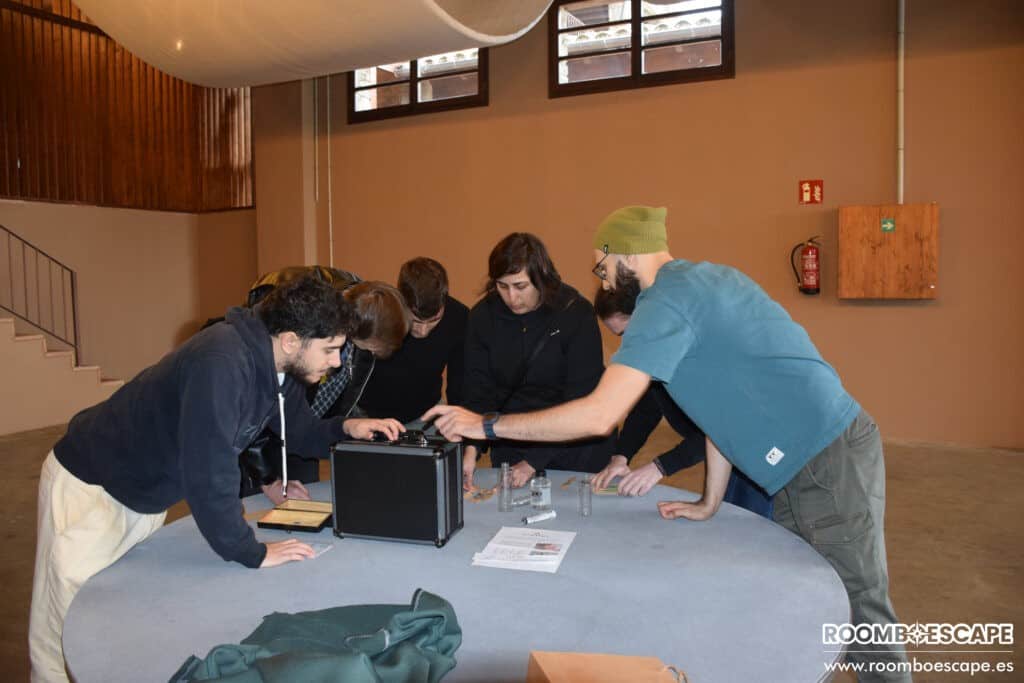
These gatherings also provide an opportunity to strengthen professional relationships through business lunches, informal activities, or team-building events. A change of environment can help break away from established routines and facilitate more open conversations—particularly when participants come from different departments or locations within the same organization.
Congresses, conventions, and professional trade shows
Congresses and trade fairs bring together professionals from the same sector to share knowledge, showcase new developments, network, and discover business opportunities. These events can attract both domestic and international participants and are typically held in cities equipped with exhibition grounds, convention centers, and a wide range of accommodation options.
Beyond the scheduled activities, attendees can take advantage of their stay to visit other points of interest, participate in side events, or extend their trip to include cultural and gastronomic experiences. In this way, business tourism allows for a blend of professional exchange and exploration of the destination, fostering learning opportunities and relationships that can continue well beyond the event itself.
Education, training, and professional development
Corporate travel can also be aimed at employee training and development. Organizing training sessions, specialized courses, practical workshops, or personal development programs outside of the company’s usual premises creates an environment conducive to focus, allowing time for learning without the distractions of daily routine.
These experiences may encompass technical training, leadership sessions, communication workshops, creativity programs, or activities designed to develop personal skills. Stepping out of one’s comfort zone and encountering new situations can stimulate fresh ways of thinking, foster autonomy, and enhance adaptability—qualities that are highly transferable to the professional environment.
Furthermore, holding training sessions in a different setting allows for a blend of learning activities with social interaction, culinary experiences, or periods of relaxation. This balance encourages participants to engage more deeply and share knowledge in a more informal, personal way, transforming the training into an opportunity to strengthen relationships among colleagues.
Incentive trips to motivate and connect teams
Incentive travel is a form of corporate tourism designed to recognize employees’ efforts, reward achievements, and boost team motivation. Unlike other types of business travel, the primary goal is not to attend meetings or close commercial deals; rather, it is to provide a unique experience as a token of appreciation for work well done and to foster a sense of belonging to the company.
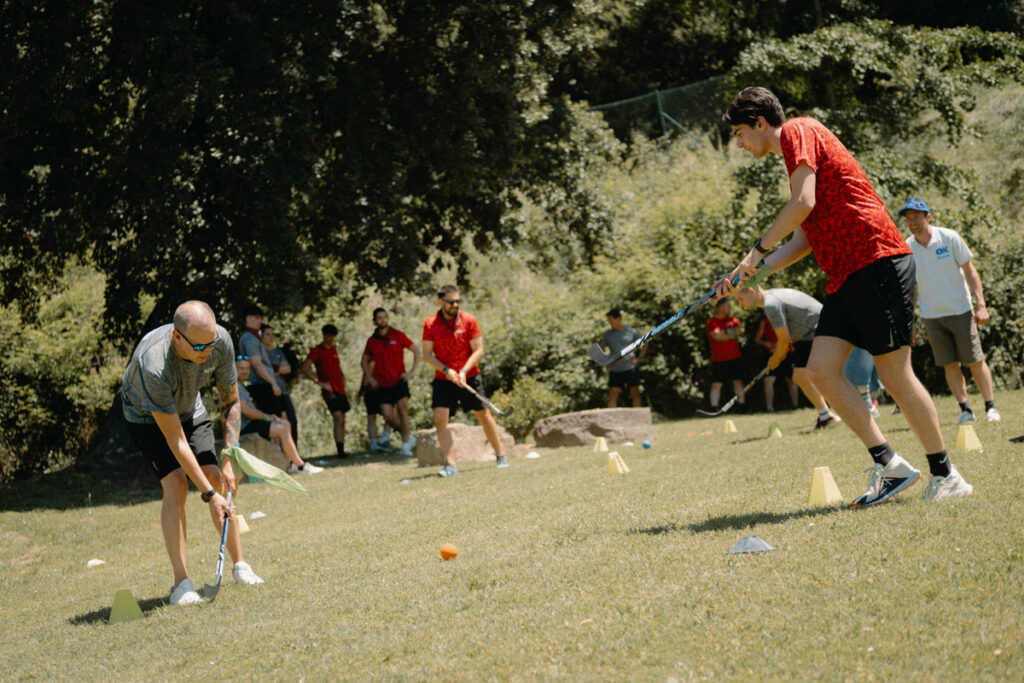
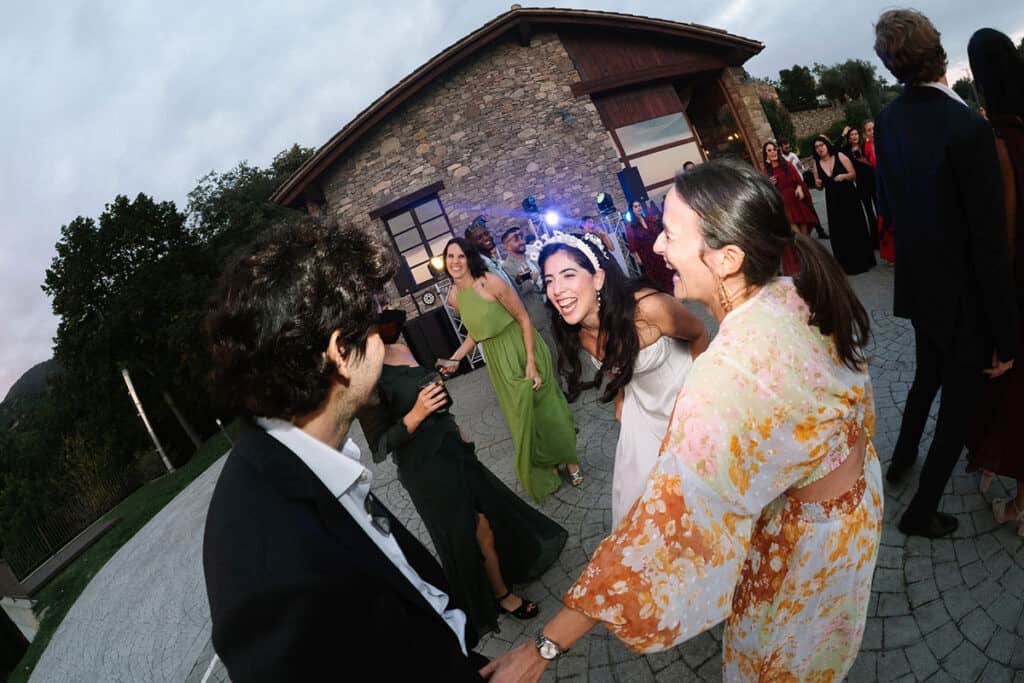
These programs may include gastronomic experiences, nature excursions, creative activities, or team-building exercises, all tailored to the participants and the specific objectives of the trip. Incentive travel does not always require a packed schedule of activities; setting aside time for casual conversation and social interaction can be just as valuable.
Beyond the leisure aspect, incentive travel can incorporate personal development activities that encourage participants to step out of their comfort zones, tackle shared challenges, and discover new skills. Such experiences are particularly beneficial for companies with remote teams or staff based in different offices, as they provide an opportunity to spend quality time together and strengthen personal relationships.
For more practical ideas, check out the article Ideas for Organizing an Original Company Party.

How to organize a business trip or company meeting
Before booking travel and venues, it is advisable to clarify what you aim to achieve—whether it is establishing business contacts, training a team, recognizing achievements, or fostering team cohesion. This objective will guide all subsequent decisions.
- Define the participants and the duration. A management meeting, a convention, and an incentive trip have very different requirements.
- Choose an accessible destination. Evaluate travel arrangements, transport connections, and the actual time required to reach the location.
- Check venues and services. Assess capacity in relation to the planned activities, necessary equipment, catering, accessibility, and—if applicable—accommodation.
- Design a balanced program. Alternate work sessions with breaks and activities that align with the objectives, without filling every single hour.
- Plan the logistics and prepare a contingency plan. Confirm transport, schedules, dietary requirements, and indoor alternatives for any planned outdoor activities.
When the goal is to bring a team together outside the office, a setting that offers indoor and outdoor spaces, as well as accommodation, can simplify the planning process. However, the choice should be driven first by the format of the gathering, rather than solely by the appeal of the destination.
Organize a different kind of company gathering.
Catalonia as a destination for business tourism
Choosing a destination is one of the fundamental aspects of organizing a corporate trip. In addition to having the appropriate infrastructure for professional activities, it is advantageous to find locations that offer good connectivity, a wide range of accommodation, and various cultural and leisure options.
In this regard, Catalonia offers particularly attractive conditions for business tourism, thanks to its geographical location, international connections, and the diverse range of experiences available across its territory. The combination of major cities, historic towns, mountain landscapes, and the Mediterranean coast makes it possible to tailor trips to the specific profiles and professional objectives of different companies.
A strategic location and good transport connections
Barcelona is one of the primary gateways to Catalonia, boasting an extensive network of domestic and international air connections. Josep Tarradellas Barcelona-El Prat Airport links the city to numerous European and intercontinental destinations, facilitating the arrival of professionals from various countries.
In addition to these air links, there is a high-speed rail network connecting Barcelona to other Spanish cities and international destinations, as well as a road network that allows for travel throughout the region, providing access to diverse rural and natural areas.
This accessibility makes Catalonia an attractive option for both large-scale international congresses and smaller corporate gatherings—particularly when the goal is to combine professional activities in Barcelona with experiences beyond the city.
Climate, gastronomy, and cultural heritage
One of the great attractions of Catalonia as a business tourism destination is the diversity of experiences that can complement a professional stay. Its Mediterranean climate, with relatively mild seasons in much of the territory, allows outdoor activities to be organized during different times of the year, always adapting the programming to the weather conditions.
The region’s rich gastronomy also serves as an added value, featuring an extensive culinary tradition rooted in locally sourced ingredients, seasonal cuisine, and regional specialties. This is complemented by a cultural and architectural heritage that allows professional commitments to be balanced with visits to historic cities, small towns, museums, and sites of cultural interest.
This combination of climate, culture, gastronomy, and nature is particularly appealing to international companies that wish to offer their teams a more well-rounded experience and bring them closer to the traditions and unique characteristics of the destination.
From professional gatherings to experiences in nature
Another advantage of Catalonia is the proximity between major hubs of economic activity and a wide variety of natural landscapes. From Barcelona, one can easily reach mountainous areas, rural settings, and small towns that offer an atmosphere entirely different from that of the city—making it possible to combine professional commitments with time for relaxation, training, or team bonding.
This proximity allows for corporate trips that incorporate diverse settings. For instance, a company might spend the first few days attending a trade fair or conference in Barcelona, then extend the stay with a team gathering at a masía (traditional farmhouse) surrounded by nature—an ideal location for personal development activities, training sessions, or team-building experiences.
Business tourism near Barcelona: meetings and experiences in nature
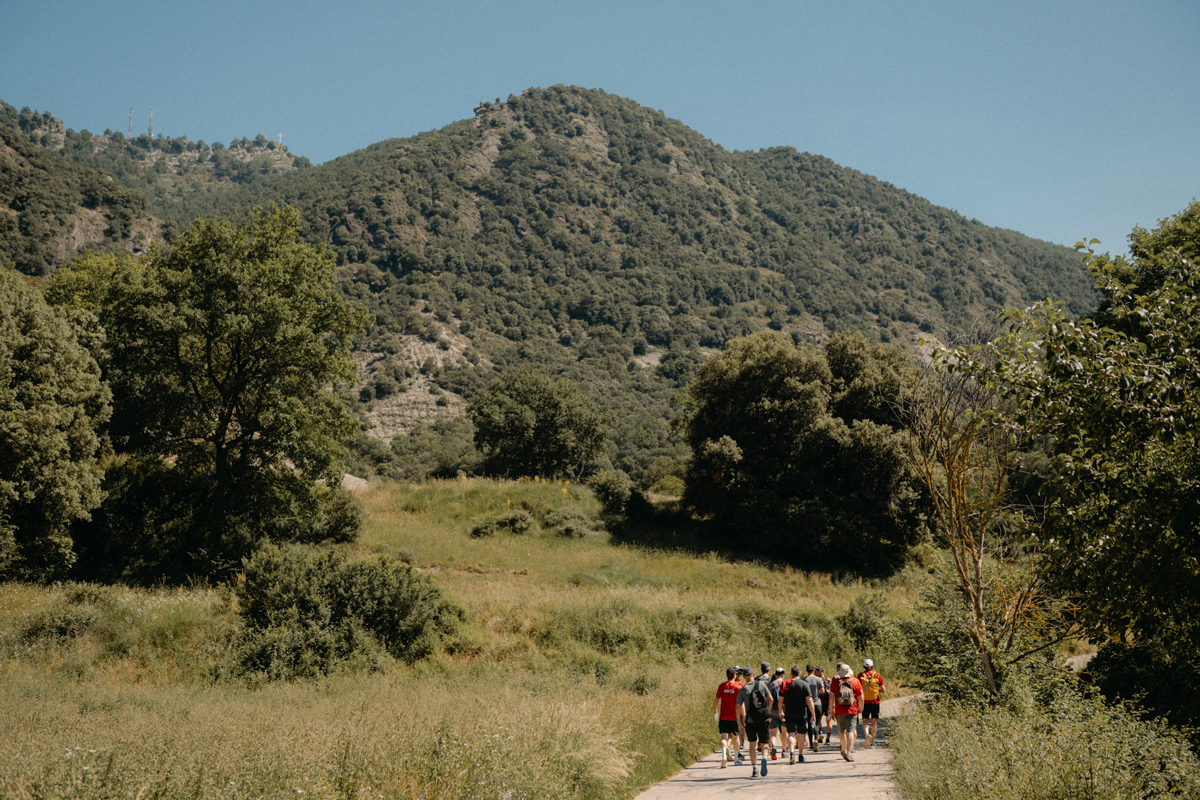
In the area surrounding Barcelona, it is also possible to organize professional gatherings outside of urban settings. For instance, a workday could combine morning meetings, a group lunch, and an afternoon team-building activity. For a multi-day stay, it is also advisable to check the availability of accommodation, as well as the logistics for arrival and departure.
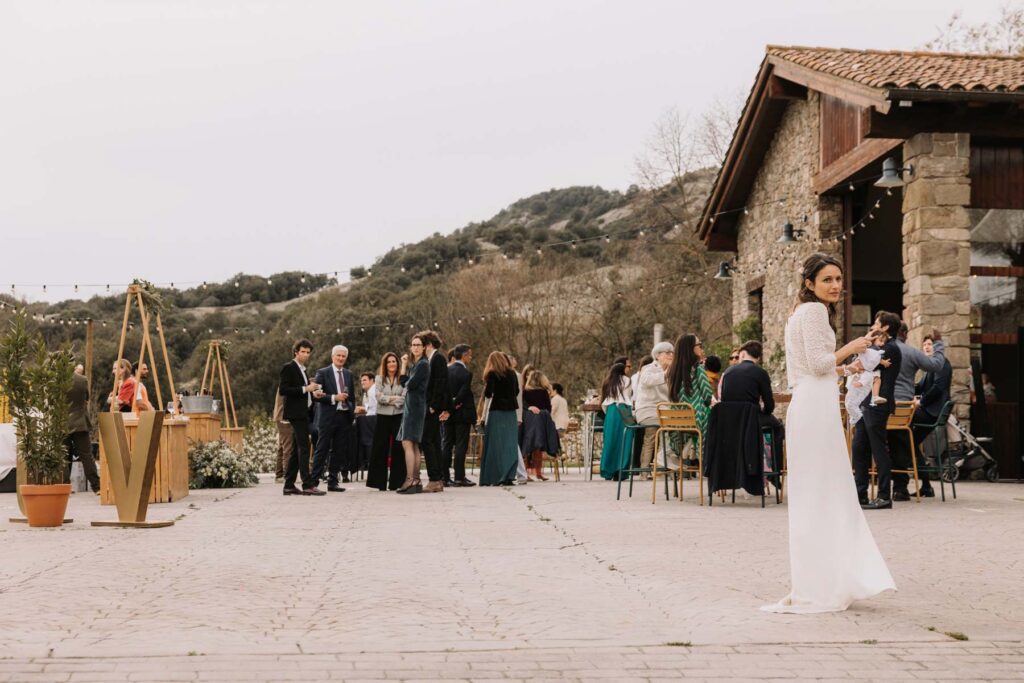
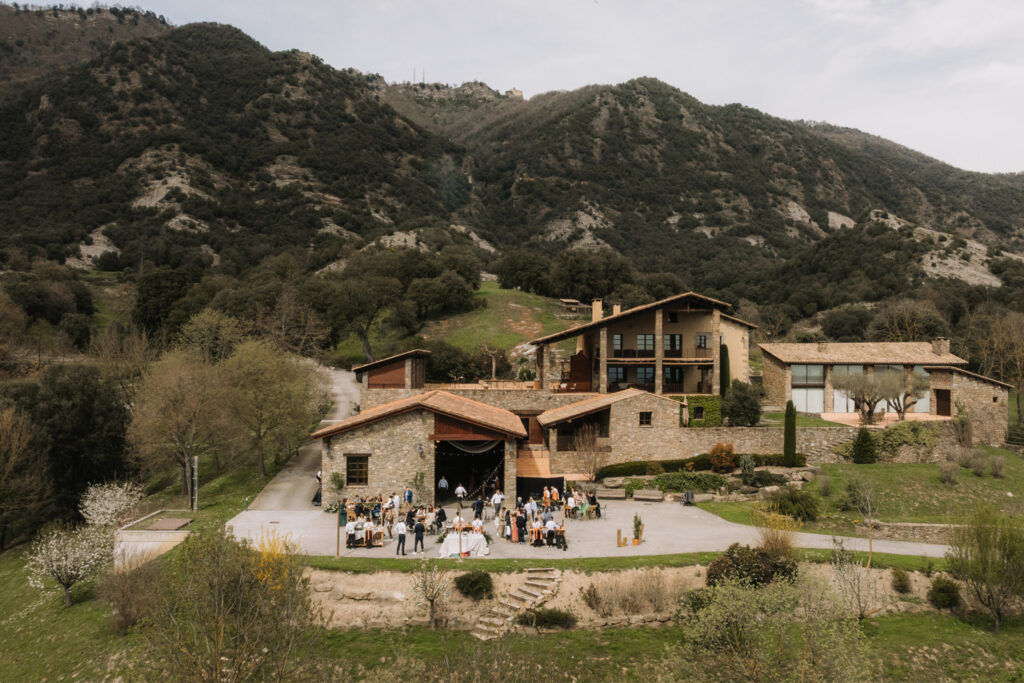
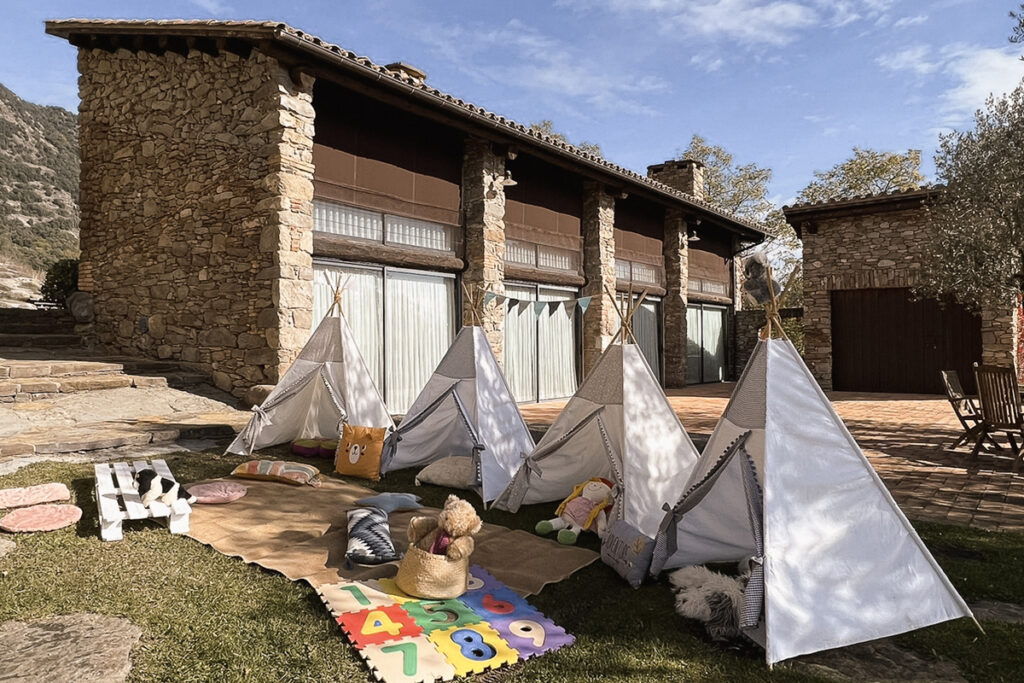
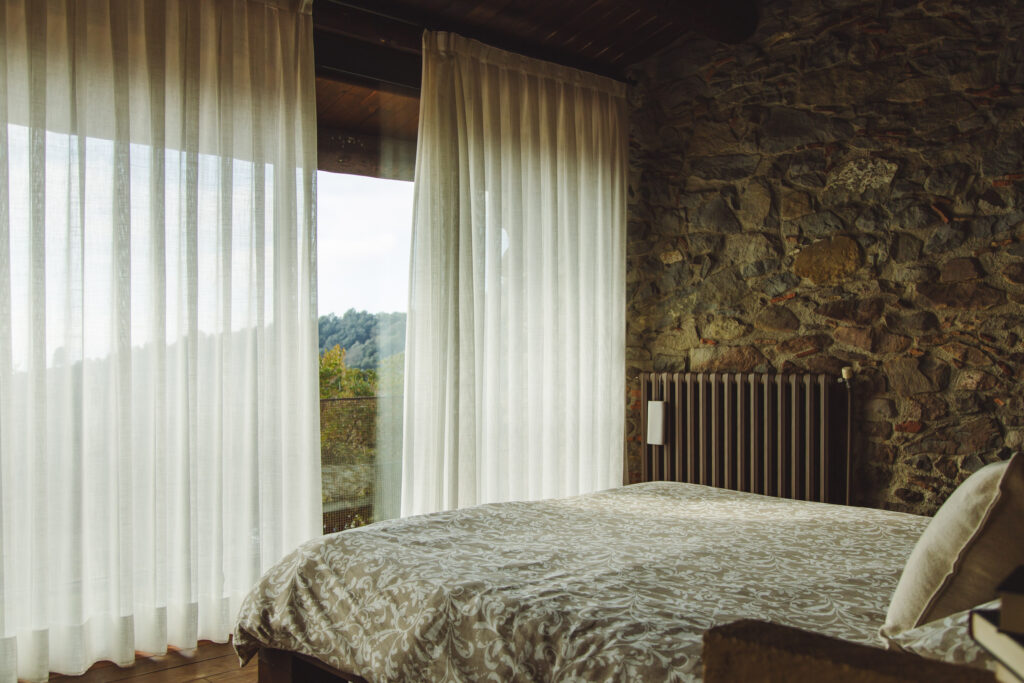
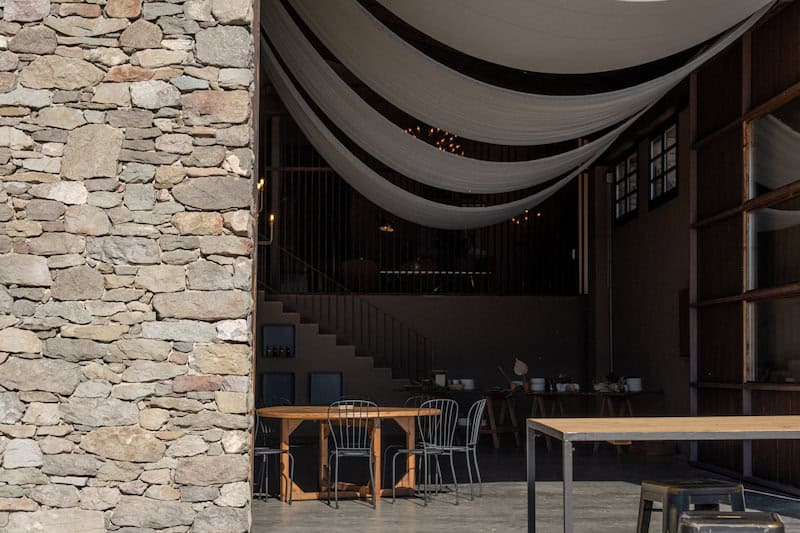
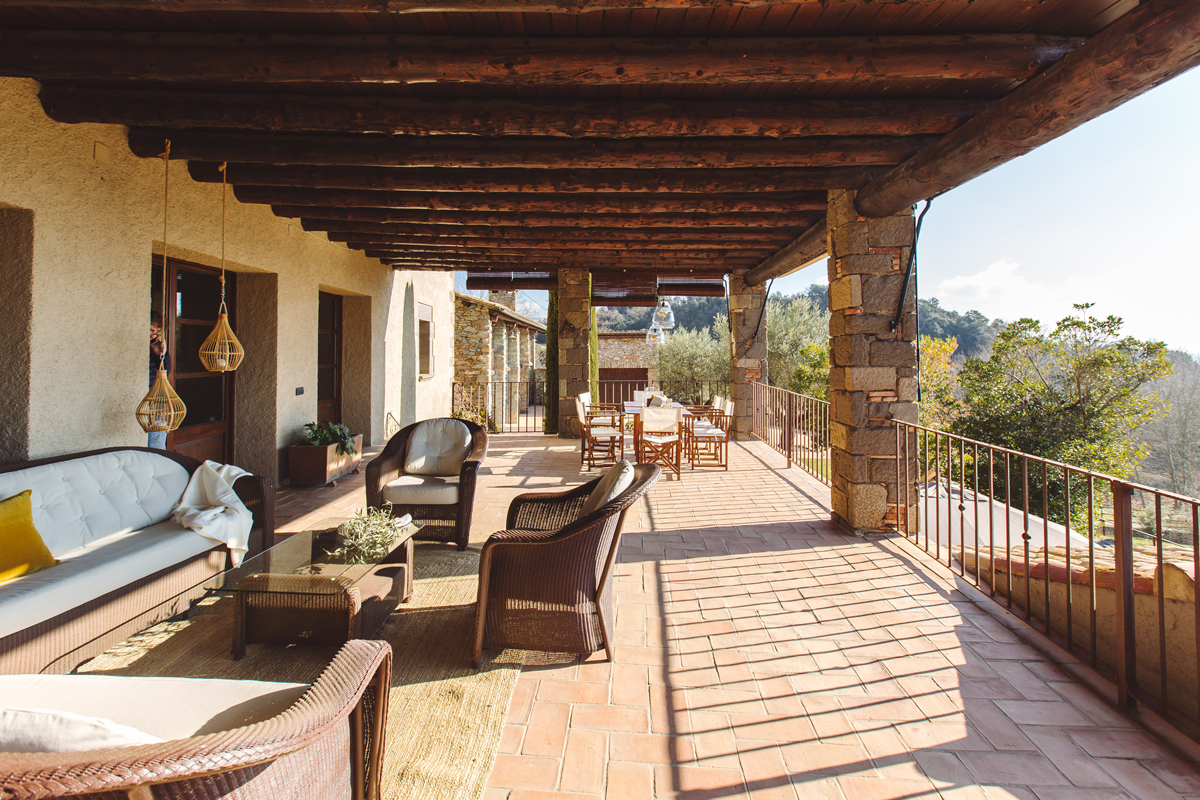
Mas Redortra, located in Sant Pere de Torelló (Osona), is one option for corporate gatherings in the Vall del Ges and Bellmunt area. The venue offers both indoor and outdoor spaces, along with on-site accommodation for up to 30 overnight guests. The suitability of each space and configuration should be confirmed based on the specific group and the nature of the activity.
If you are planning a team gathering, you can book our masia traditional farmhouse for team building or corporate meetings.
The importance of accommodation in business travel
When a corporate trip extends over several days, the accommodation ceases to be merely a place to rest and becomes an integral part of the experience. The choice of venue influences the comfort of the participants, the organization of activities, and the opportunities for social interaction during the stay—especially when the program includes meetings, training sessions, or shared activities.
For large-scale conferences and trade fairs, city hotels are a common choice due to their proximity to professional venues. However, for incentive trips, training programs, corporate retreats, or small-team gatherings, alternatives such as rural guesthouses and traditional country estates with lodging can also be an attractive option.
Having guest rooms, meeting and training rooms, common areas, and outdoor spaces all in one location simplifies the organization of activities and fosters a sense of community. Furthermore, staying in a tranquil environment makes it possible to step away from everyday distractions and dedicate time to both learning and rest, creating a more well-rounded experience than a conventional workday.
Frequently asked questions about business travel
Are business tourism and MICE tourism the same thing?
No. MICE tourism is a segment of business tourism focused on meetings, incentives, congresses, and exhibitions. The concept of business tourism also encompasses individual work-related trips.
How does an incentive trip differ from team building?
An incentive trip typically serves to recognize achievements or motivate a team. Team building focuses on improving relationships and collaboration among team members. Both approaches can be incorporated into a single program.
What should be considered when choosing accommodation for a corporate trip?
The location, accessibility, actual capacity for the group, meeting rooms, catering, and common areas. If you are planning a stay, it is important to confirm how many people can be accommodated and what services are available.
Business and nature tourism: an experience beyond work
Combining a professional objective with opportunities for learning, gastronomy, or nature can make a gathering more well-rounded. The key lies in first defining the organization’s purpose, and then selecting appropriate activities and venues.
Mas Redortra, located at the foot of Bellmunt in the Osona region, offers a setting suitable for training sessions, incentive trips, and corporate gatherings. The estate features outdoor areas, indoor event spaces, and on-site accommodation for those attending these events, with a maximum capacity of 30 overnight guests. Specific capacities and available services should be confirmed for each type of event.
Its location within the natural setting of the Ges-Bisaura valley offers the chance to step away from the usual work environment, enjoy the landscape, and discover the local culture and gastronomy. In this way, a company can combine a few days of professional activity in Barcelona with a stay focused on learning, team bonding, and unwinding in nature—taking full advantage of the diverse experiences that Catalonia has to offer.
Are you planning a meeting, a training session, or an incentive trip in Catalonia? Discover the possibilities for corporate gatherings at Mas Redortra and get in touch with the team to determine the format that best suits your group.
View company experiences
You might also be interested in…